Ownership mapped. Nothing hidden
Ownership mapped before your analyst opens the case. Nothing left to trace.









Sound familiar?
When data is missing, your analyst fills the gaps with fragments, filings, and direct client requests. It's slower, less reliable, and leaves questions in the audit trail a regulator will eventually ask.
Ownership changes, new shareholders, restructured holding chains, updated allocations. None of it surfaces automatically once onboarding is done. What you documented can be out of date before the next review.
Each jurisdiction means a different registry, a different search session, and an analyst who knows where to look. Most don't have time for all of them, so the chain gets traced partially, or not at all.
Once the ownership chain is traced, someone still manually re-enters every individual into your case management system. The data exists, moving it into the right place is where the time goes.
Three shareholders each holding 18% don't individually trigger a 25% UBO flag, but together they control 54%. Without cumulative ownership logic, your system approves the entity and misses the people behind it.
Trusts and foundations aren't required to declare their controllers. When the chain ends at one, your analyst starts playing email tennis, and the case sits open until someone replies.
The difference Strise makes
What customers say












Complex Ownership chains resolved
Entity in. Mapping begins
Provide a company name. Strise starts mapping the ownership chain immediately.
Every layer. Every jurisdiction
Parent companies, holding entities, and investment vehicles traced across every jurisdiction.
Owners surfaced. Checks run
Beneficial owners identified at each threshold. PEP and sanctions checks run automatically.
Graph delivered. Audit-ready
Navigable ownership graph, risk scores applied, source citations included, exceptions flagged.
How UBO Discovery runs itself
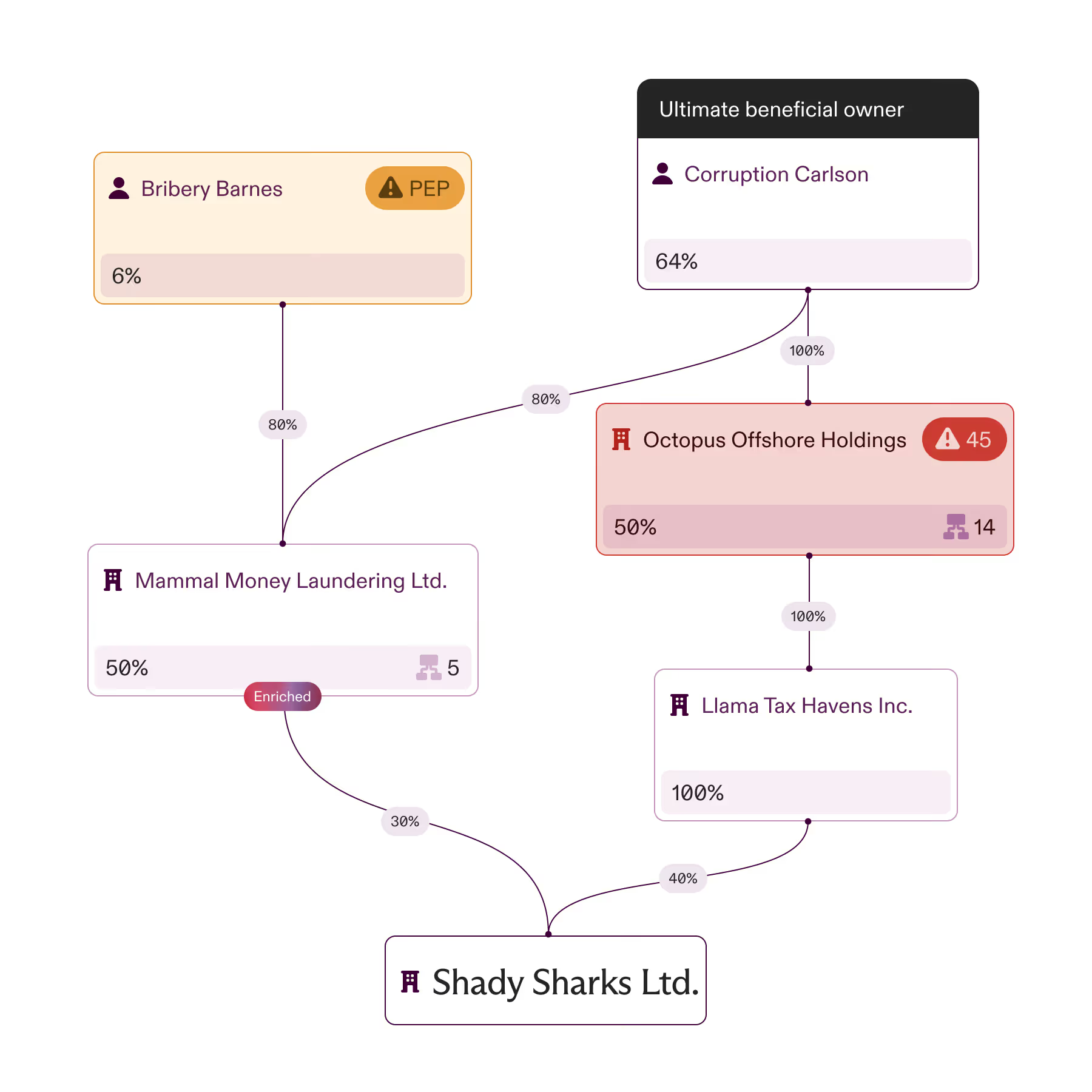
The complete ownership chain, from one company number
Strise traces upstream to ultimate natural persons and downstream to subsidiaries, across jurisdictions, through holding layers, with diluted percentages and every data source cited at each node.
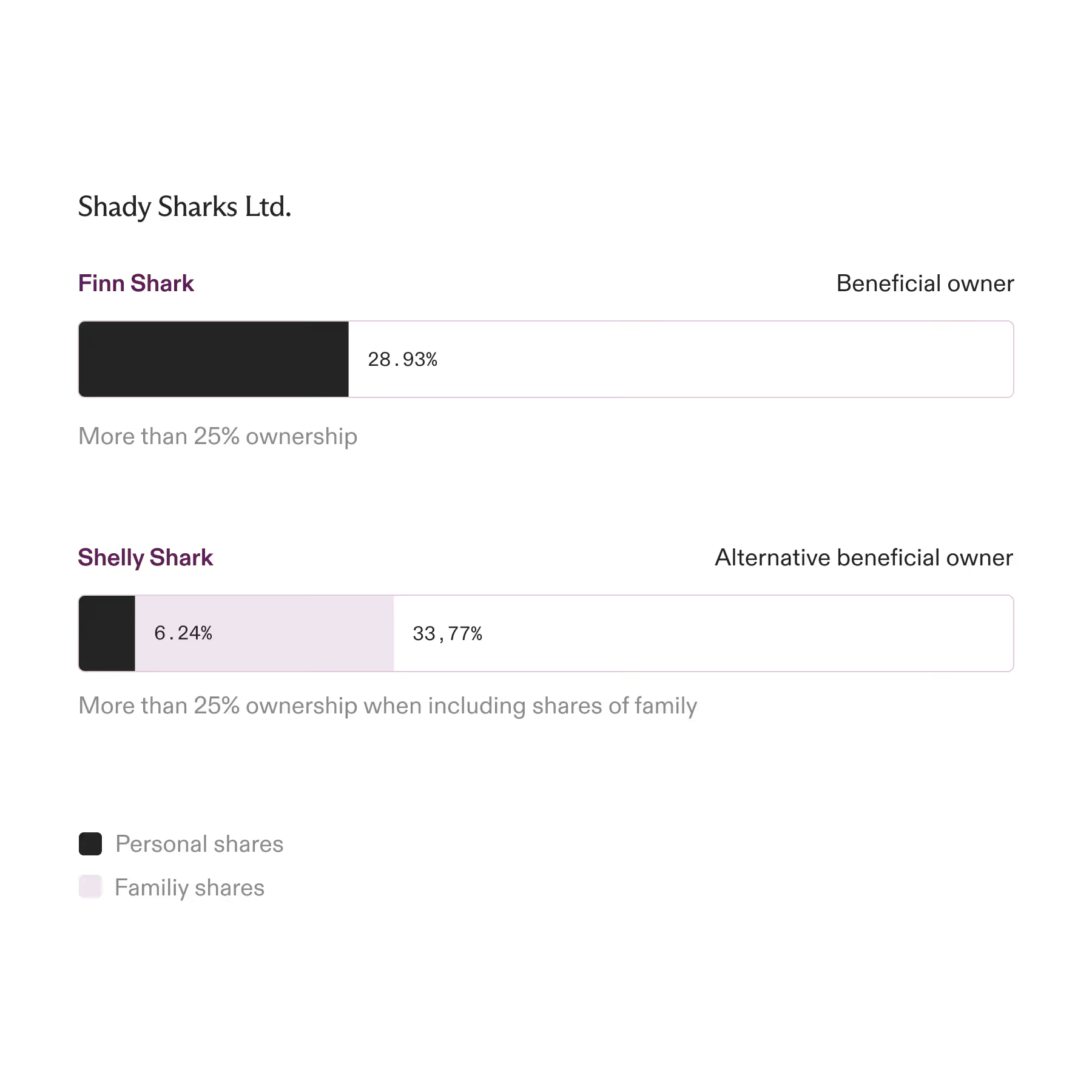
Beyond percentages. Who actually controls
Family members with sub-threshold stakes are aggregated and flagged automatically. Share class structures are mapped by voting control, not just headline ownership, so real control is visible.
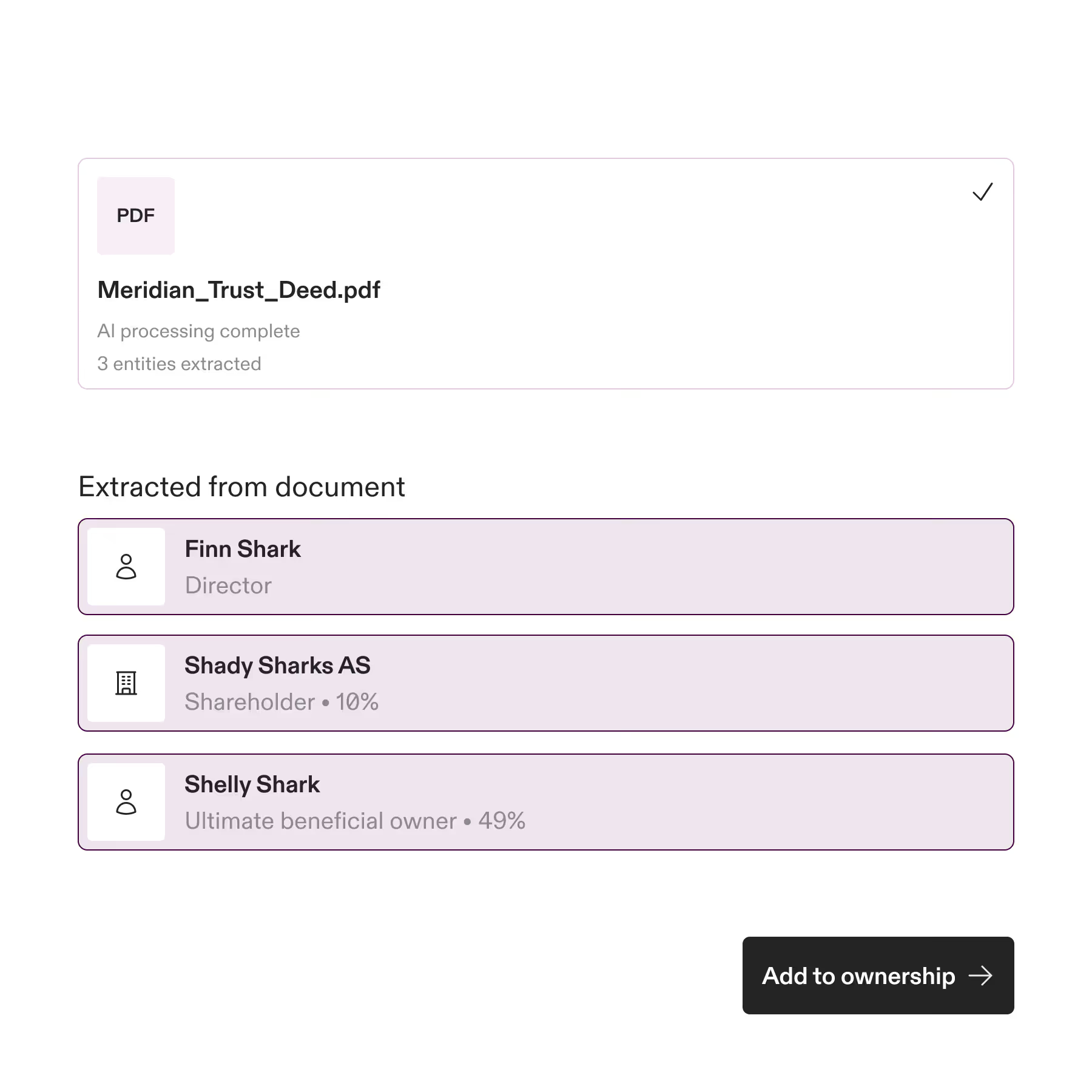
When the registry hits a wall, documents take over
When the ownership chain ends at an opaque entity, Strise flags the gap and generates a targeted document request. Upload the response and AI extracts and maps the ownership data. No re-entry. Audit trail complete.
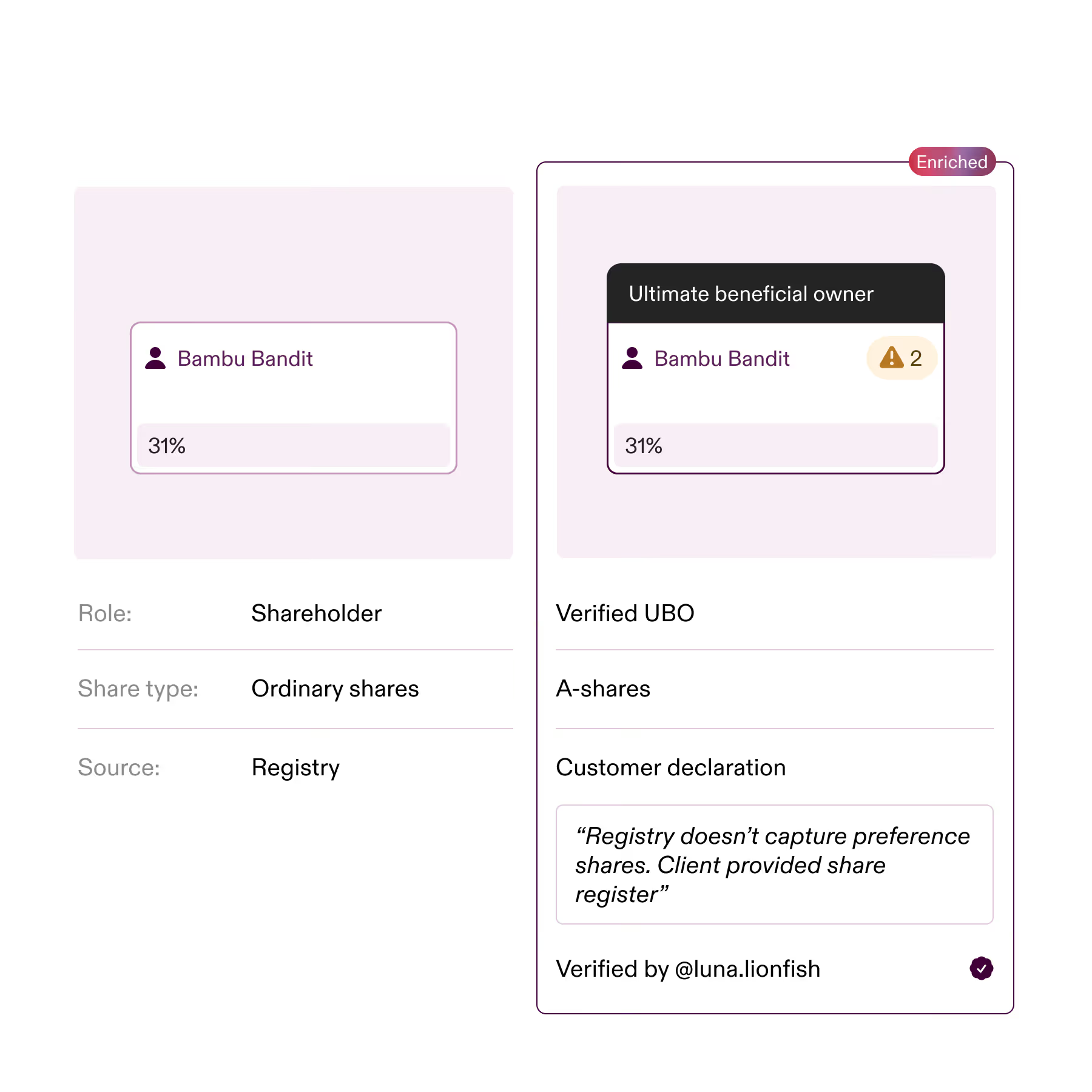
Your analysts know things registries don't
When your team has better information than a registry, they can update the ownership record directly with a source and timestamp. Every edit tracked. Original data preserved alongside it.
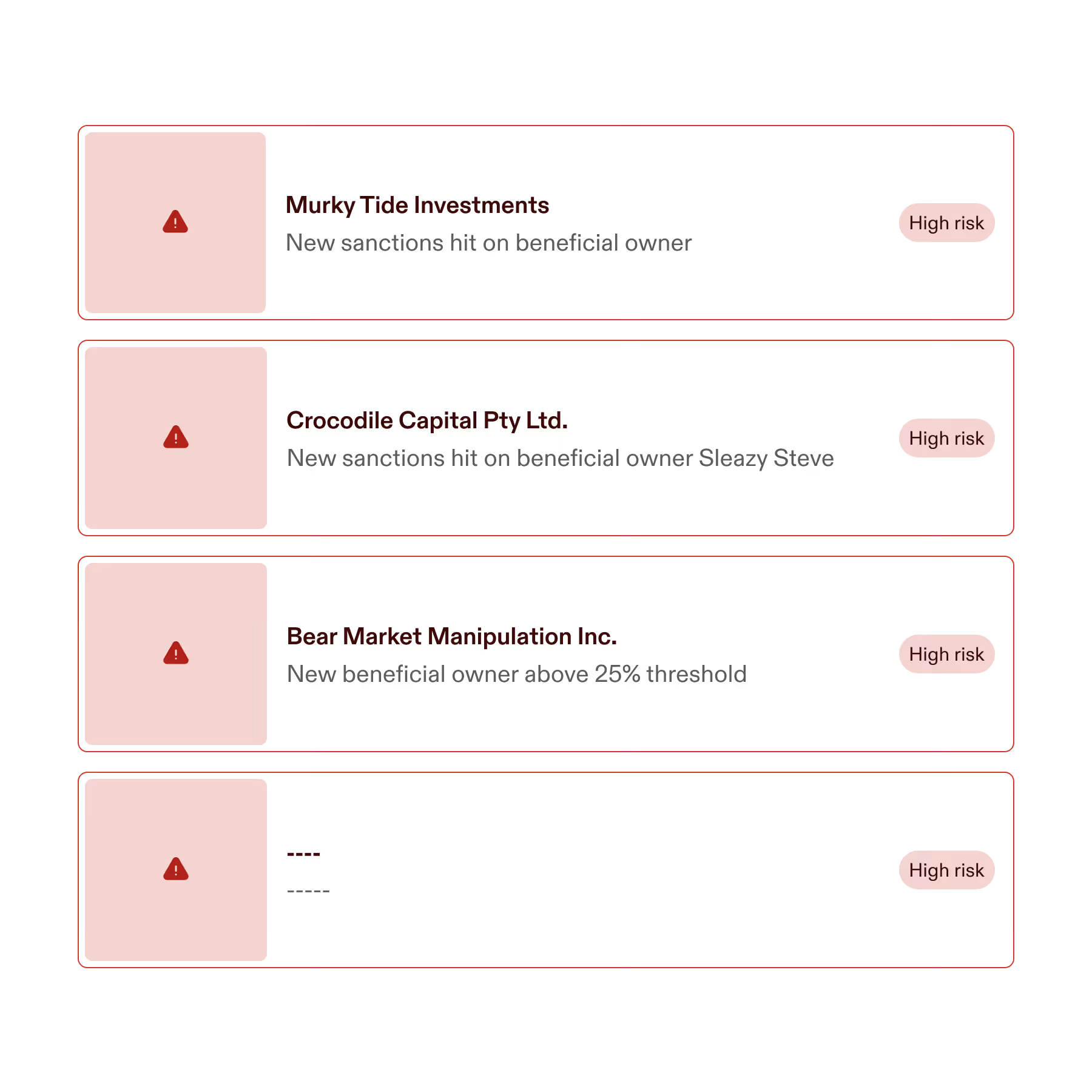
Ownership changes after onboarding. Strise detects them
Strise monitors your portfolio for ownership changes continuously. Low-risk shifts are logged and closed automatically. Changes that affect risk classification land in your review queue with everything needed to act.
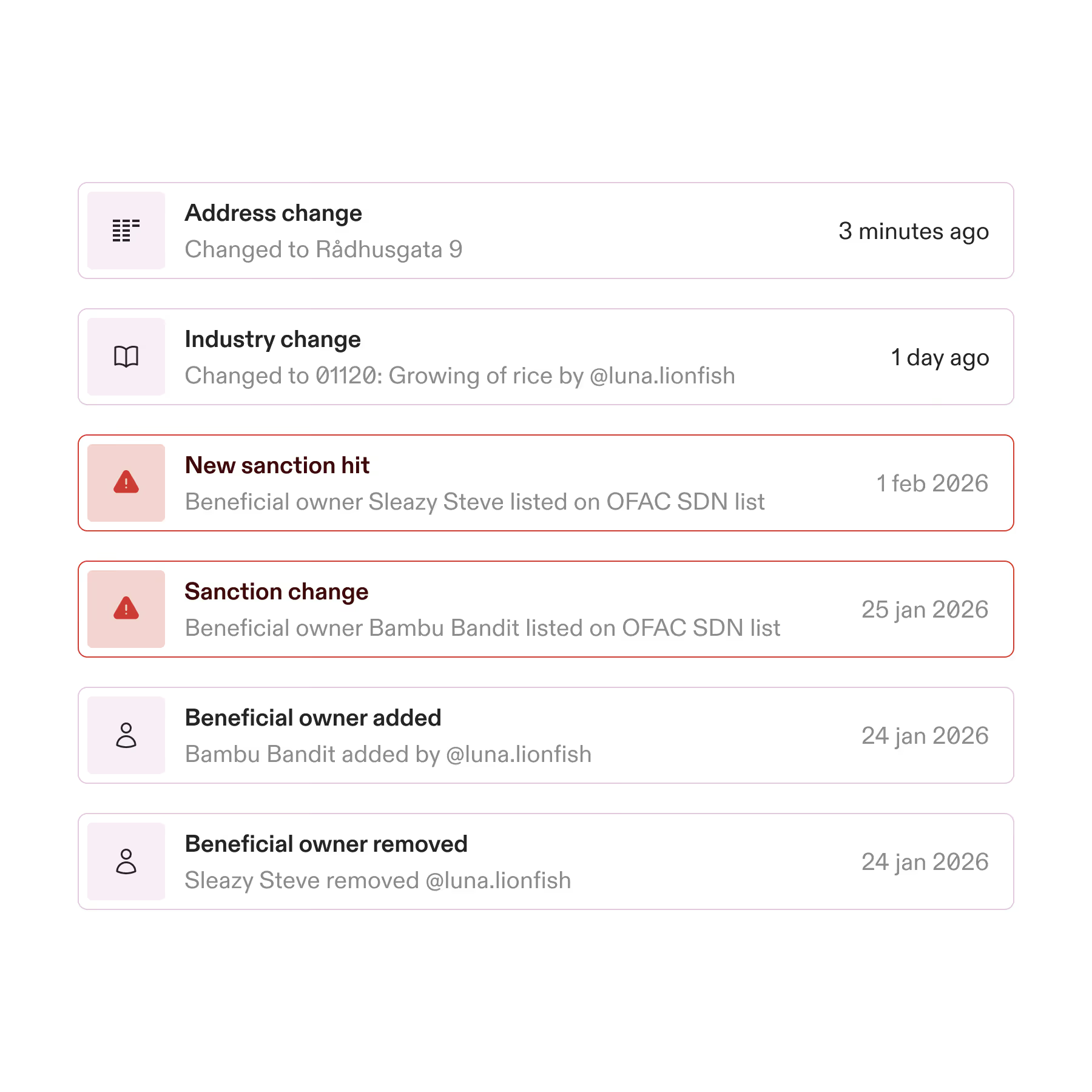
Every decision recorded. Regulator-ready from day one
Every check, every closure, every analyst decision, logged with source, timestamp, and rationale. Your audit trail is complete before anyone asks for it.

Things we get asked. Answered
Your team can update the ownership record directly — edit the percentage, add a source, attach a document. The original registry data is preserved alongside it. Every change is timestamped and attributed. Your file reflects reality, not just what the registry says.
Strise integrates data from over 250 jurisdictions globally. Coverage includes 10B+ corporate records, 500M+ company profiles, and 600M+ individual profiles. Where registries don't offer digital access, Strise uses enrichment providers, and targeted client forms to close any remaining gap.
Strise calculates both direct and cumulative ownership at every level — so a 60% stake in a company that owns 50% of another shows as 30%, not 60%. Any threshold you configure (25%, 10%, whatever your policy requires) is applied consistently to every entity, every time.
Nominee structures, trusts, and foundations are flagged automatically where indicators are present. Strise surfaces what the data shows and highlights what needs further verification. Where a trust or foundation is the end of the trail, your analyst sees that clearly, rather than an unexplained dead end.
Strise monitors for changes and flags them as they happen. A director added, an ownership transfer filed, a new entity appearing in the structure — all picked up automatically. Your team gets a review triggered when something material changes, not at the next scheduled review cycle.
As deep as the structure goes. Strise traces through holding companies, investment vehicles, and intermediaries across multiple layers until it reaches the ultimate natural persons. Circular ownership patterns and dissolved intermediaries are flagged automatically rather than creating dead ends.