Onboard more. No friction
Routine cases clear automatically. Exceptions land on the right desk.










Sound familiar?
Simple cases sit in the same queue as complex ones. The analyst reviews them, finds nothing, and closes them, time spent that a policy decision could have saved.
No tracking. No automatic follow-up. The onboarding stalls on a single unanswered email while your analyst waits and the SLA clock runs.
Pulling data from screening, collecting documents, and assembling a risk view from scratch, before any actual compliance judgment has been made.
Screening without context is just noise. Stale, irrelevant hits consume the same review time as genuine risks, and the same analyst dismisses them again next quarter.
Name matching on its own tells you nothing useful. Every potential hit lands on a human who has to cross-reference date of birth, nationality, and jurisdiction manually.
Each missing document discovered only after the previous one arrives. The client gets a drip of requests across two weeks and loses patience before you are done.
The difference Strise makes
What customers say












Prepared before your analyst opens the case
Case arrives. Work begins
A new individual arrives. Strise begins screening and risk assessment immediately.
Screened and enriched
PEP and sanctions checked, adverse media reviewed, source of wealth verified, all at once.
Scored. Cases routed
Risk calculated against your policy. Low-risk cases resolved, high-risk cases escalated.
File ready. Analyst decides
Your analyst opens a complete case file with every check done. One decision to make.
How KYC Onboarding runs itself
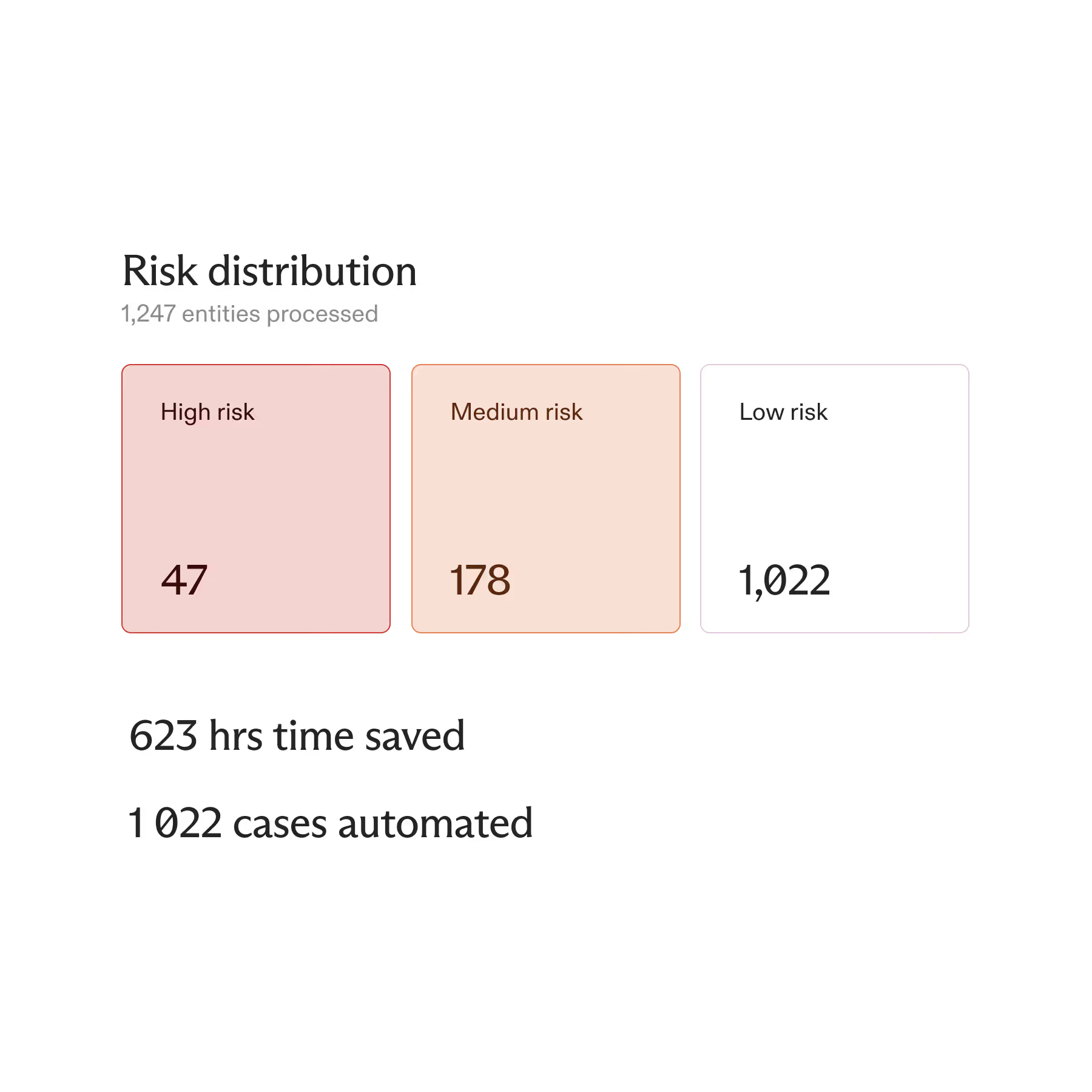
Low-risk cases cleared automatically
Your policy sets the threshold. Cases that meet it close without analyst time, audit log built. You stay in control of what clears and what gets reviewed.
ID collection. No email chains
Automated ID requests, real-time tracking, and smart follow-up, so documents don't get lost in email threads or sit unanswered in someone's inbox.

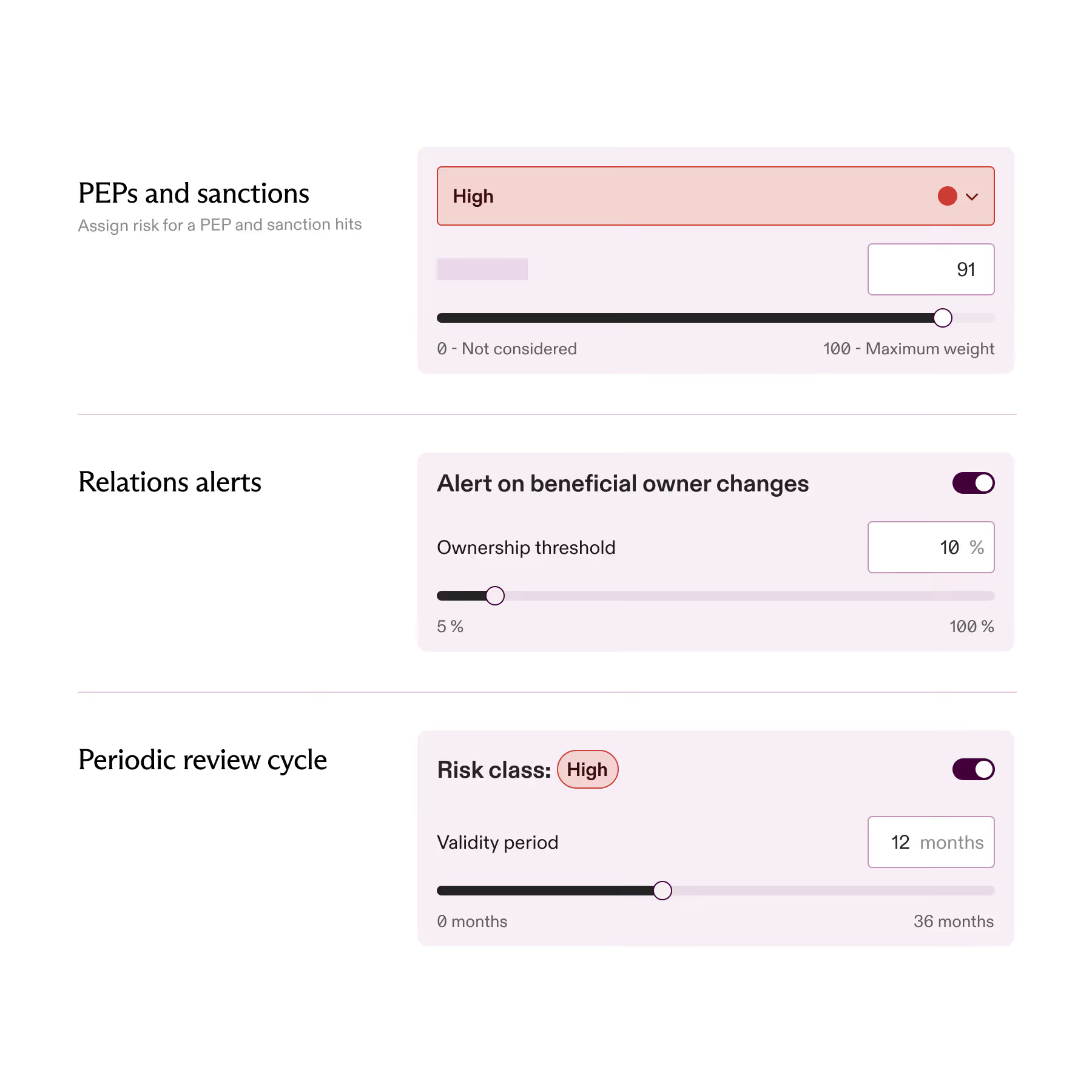
Risk scoring built around your rules
Configure thresholds for jurisdiction, industry, PEP proximity, and more, without a developer. Your policy drives the scores, not a generic default.
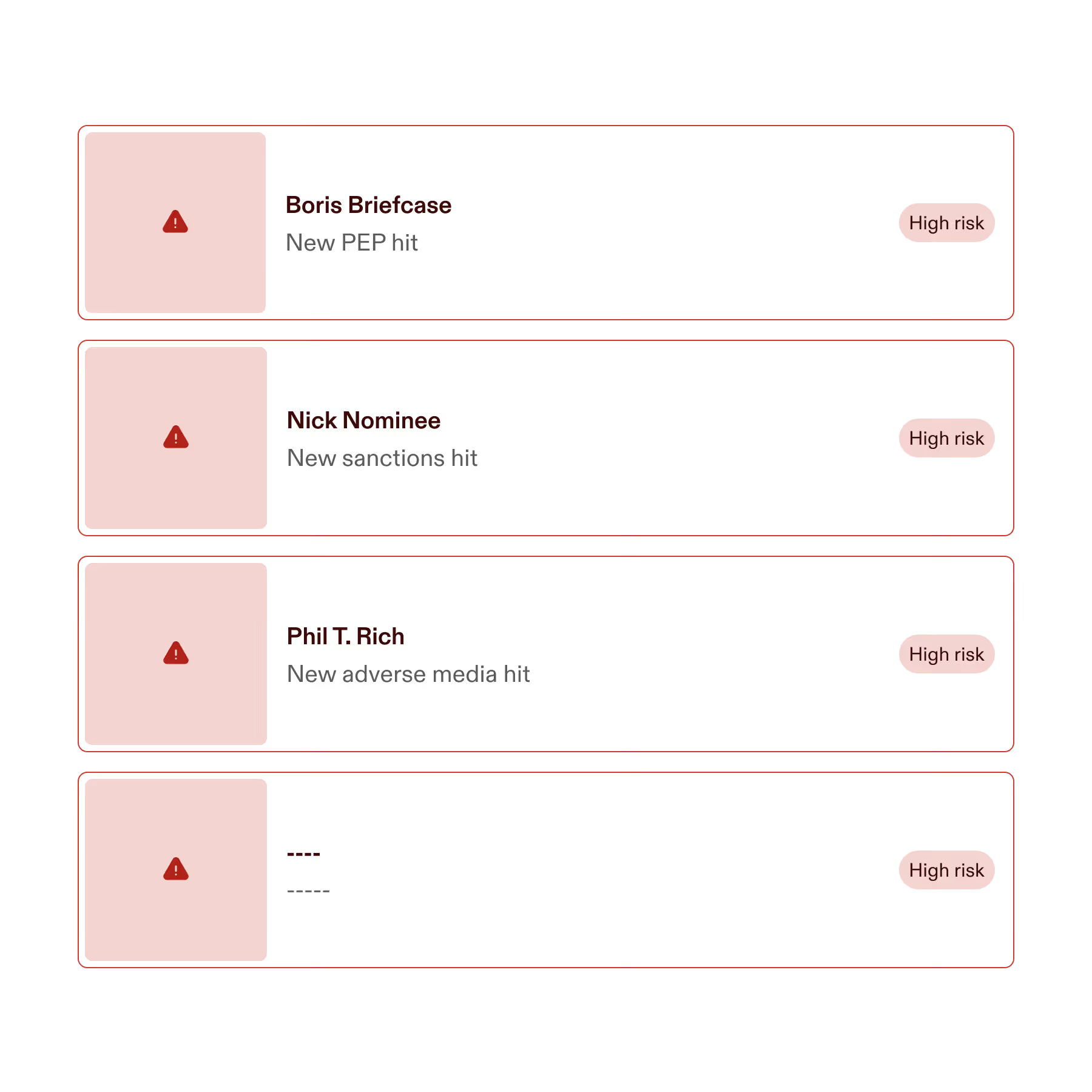
Global PEP and sanctions screening
Every individual checked against global PEP lists, sanctions databases, and adverse media, intelligent matching that keeps false positive noise low.
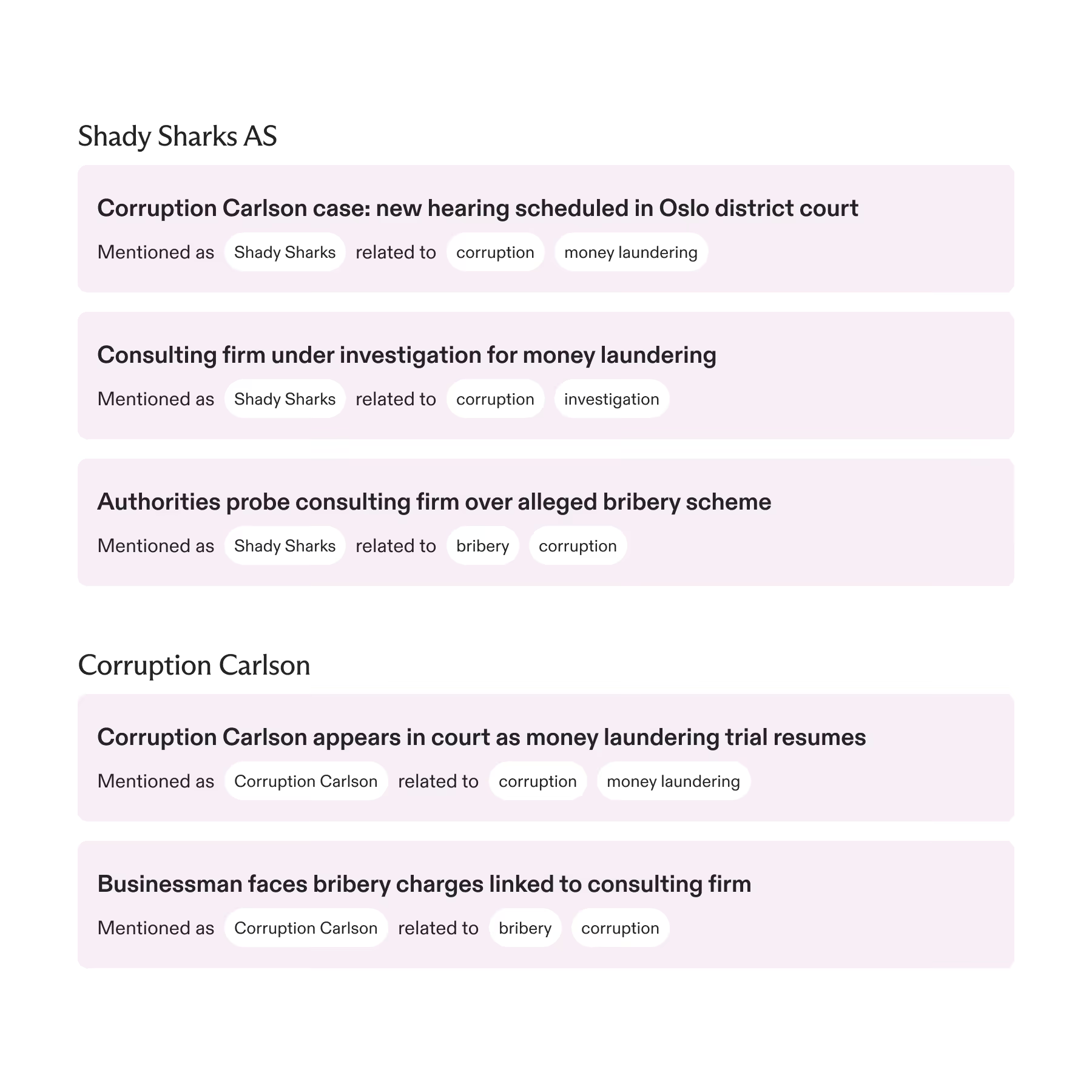
Adverse media that filters itself
Global news sources scanned and scored for relevance. Recent, material hits surfaced. Stale or irrelevant results filtered before reaching your team.
Audit trail built in from the start
Every step logged automatically. Every decision recorded with its source and rationale. Full audit trail completed without your team lifting a finger.

Things we get asked. Answered
A new individual enters the workflow. Strise initiates screening and risk assessment at the same time. If the case meets your low-risk threshold with all checks clear, it closes automatically, full audit record included. From submission to completion without anyone on your team involved.
Yes. You configure the threshold, what qualifies as low risk based on your policy, and cases that meet it close automatically with a full audit trail. No analyst time spent reviewing something that didn't need a human. Your team's attention goes to cases that genuinely require judgment.
Risk is calculated across multiple factors, PEP proximity, jurisdiction, source of wealth, screening results, each weighted according to your policy. You set the weights. You define what high and low risk look like for your customer base. The score reflects your rules, not a generic default applied to everyone.
Every individual is checked against global PEP lists, sanctions databases, and adverse media simultaneously, not sequentially. Matching uses name, date of birth, nationality, and jurisdiction together to cut false positive noise. Confirmed hits escalate with full context. Clear checks move forward automatically, each one documented.
Strise identifies exactly what's needed based on the individual's profile and risk level, and requests only that. ID verification, source of wealth declarations, and any additional documents are collected through a branded portal with automated follow-up. No generic checklist sent to every customer regardless of what applies.
A case escalates when something triggers it, a PEP match, a sanctions hit, a jurisdiction flag, or a score above your threshold. When it does, your analyst opens a complete file: screening done, risk scored, the triggering rule cited, and a recommended action attached. Nothing left to gather. Just a decision to make.