Thousands of files. Days not months
Thousands of files processed automatically. Your backlog clears in days.









Sound familiar?
A remediation at portfolio scale is not a compliance task. It is a project. One that your existing team and tools were never built to absorb without significant disruption.
Without systematic gap analysis, prioritisation is guesswork. Teams start with the most visible cases and discover the scope of the problem only as they work through it.
Remediation outreach falls to whoever owns the client relationship. That means senior people spending weeks on administrative follow-up instead of the cases that need judgment.
Without portfolio-wide ranking by risk and gap severity, effort concentrates where it is easiest, not where the regulatory exposure is highest. The most urgent cases wait longest.
Manual remediation velocity is fixed. The team works as fast as the process allows, and the process almost always runs slower than the timeline requires.
The work was done. But without a complete audit trail, what was checked, when, and by whom, proving it to a regulator means reconstructing the project from memory and emails.
The difference Strise makes
What customers say












Portfolio remediated. Automatically
Portfolio ranked. Prioritised
Entities ordered by risk severity and data gap. Most critical cases surfaced first.
Files compared. Gaps found
Each entity compared against current registry data. Discrepancies identified automatically.
Data missing. Forms sent
Missing data triggers the right collection automatically. No manual chasing required.
Monitoring starts
Every cleared entity rolls into continuous monitoring. No second project, no manual handoff.
How remediation runs itself
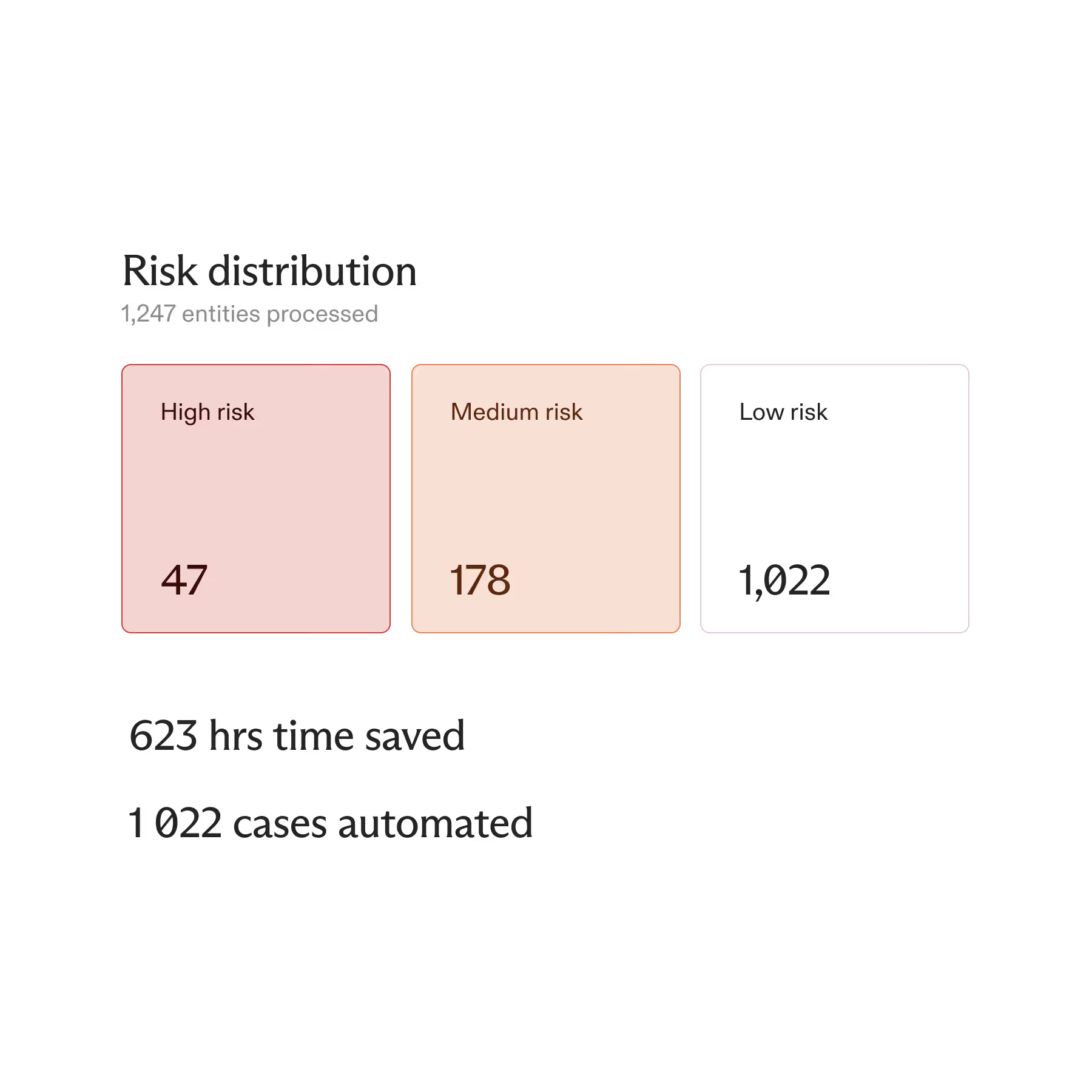
Action list ranked by risk and gap
Entities ordered by risk severity and gap size. Your team works through the most critical cases first, with prepared case files ready to go.
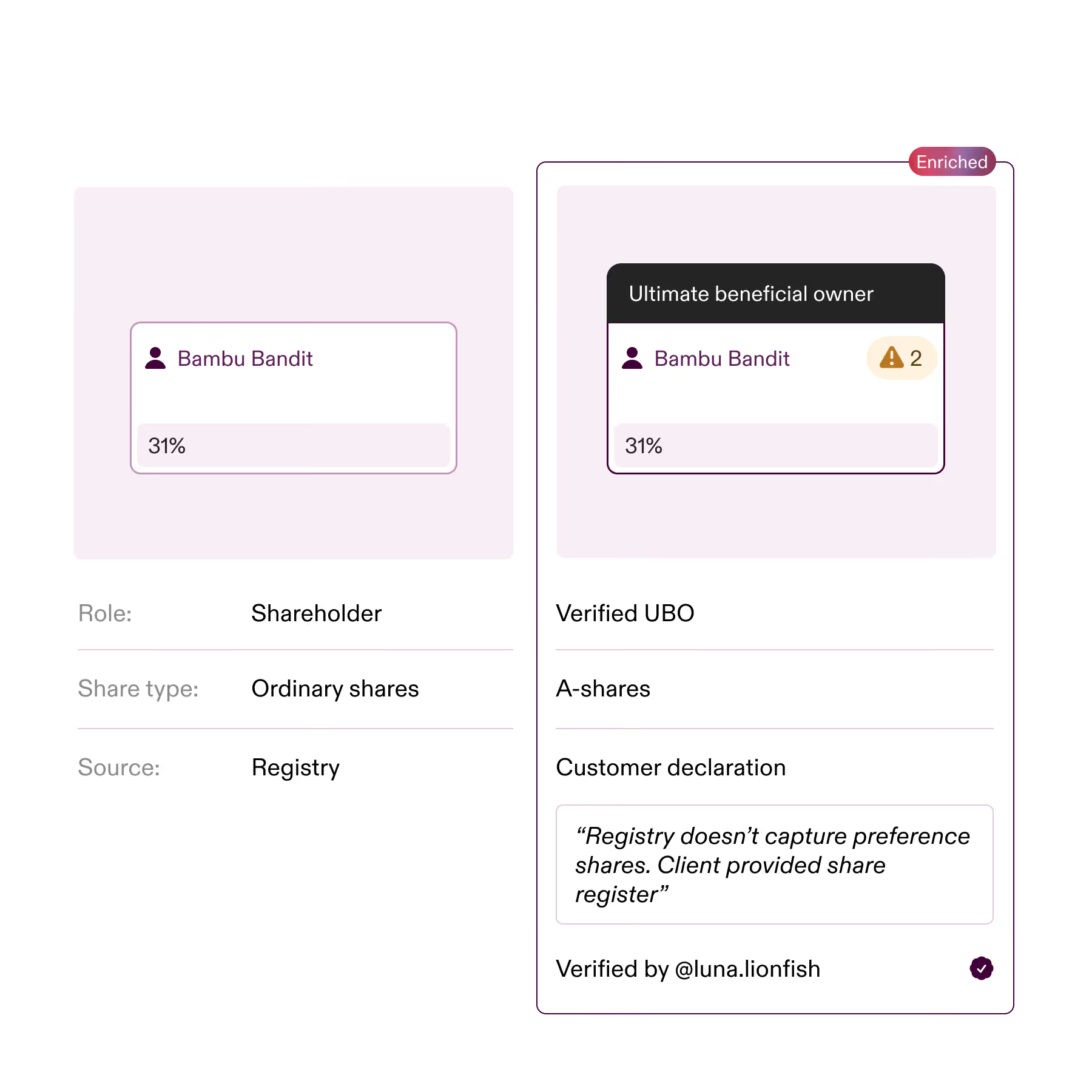
Current vs historical data, automatically
Each entity's file compared against current registry data and your updated compliance standards, gaps and inconsistencies surfaced automatically with AI.
Outreach for missing data, automated
When data is missing, the right outreach is triggered automatically, ID requests, UBO declarations, source of wealth forms, without manual chasing.

The project ends, the protection doesn't
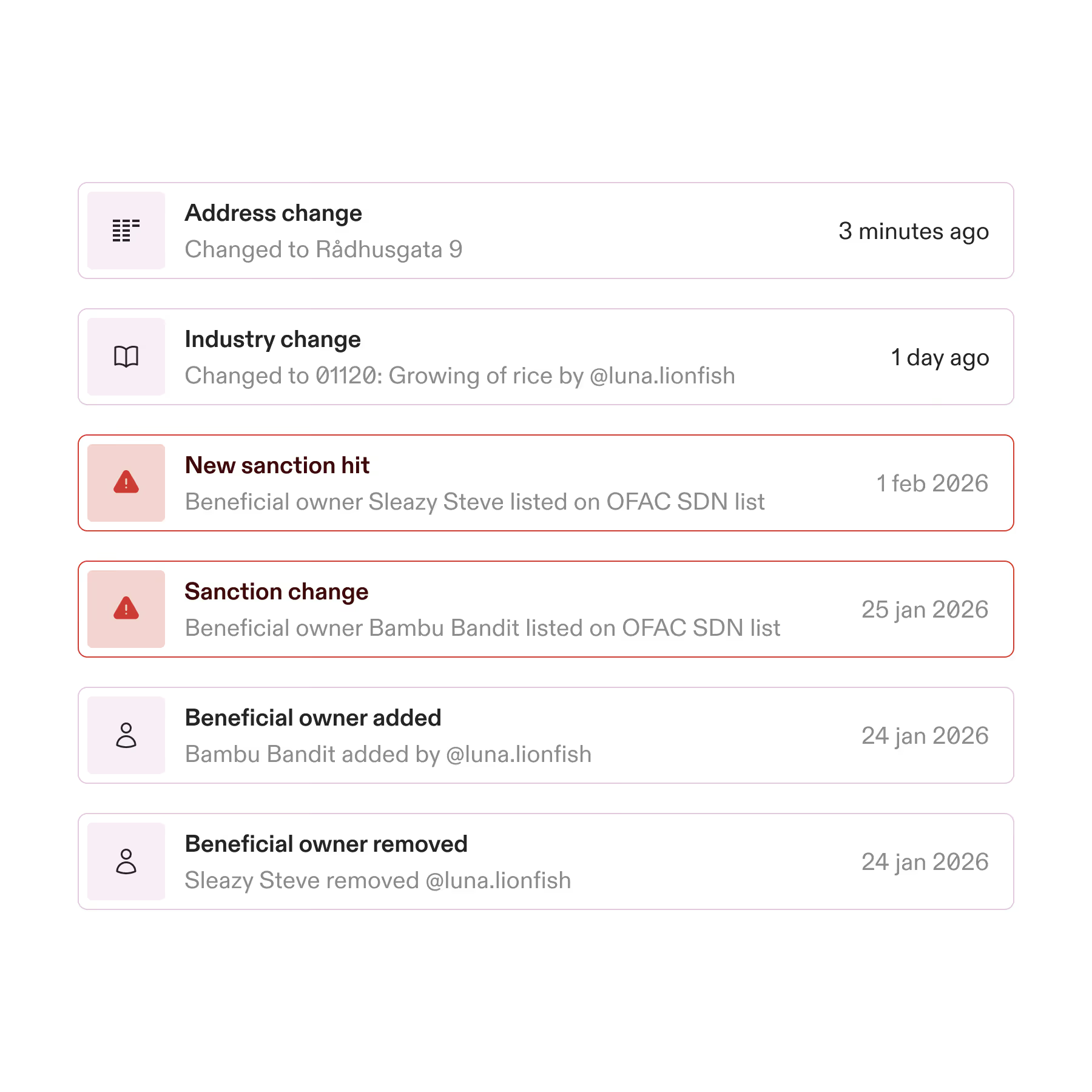
Every entity cleared rolls straight into Strise's monitoring layer. No second project, no manual handoff. The same system keeps watching your portfolio, surfacing changes, flagging sanctions hits, and closing low-risk cases automatically.
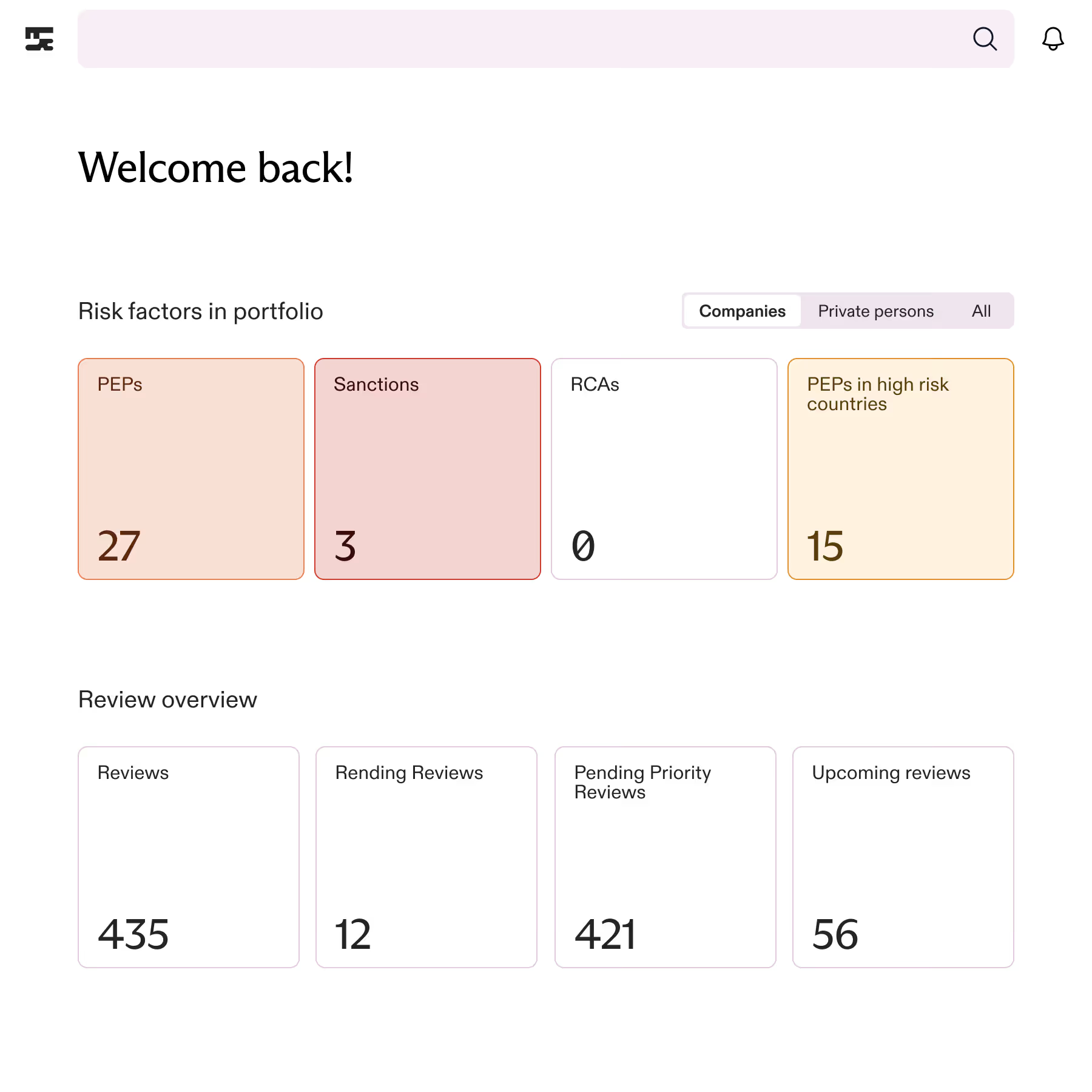
Regulator-ready progress reporting
Every remediation action logged, what was done, when, and by whom. Your complete audit trail is available from day one, not assembled at the end.

Things we get asked. Answered
Strise compares every entity in your portfolio against your current data standard and live registry data. Gaps are surfaced automatically, missing documents, outdated ownership information, stale risk scores — so the scope of the project is defined by data, not by what your team has time to manually check.
That depends on portfolio size and gap depth, but the comparison and case preparation work that typically takes months runs in days with Strise. The bottleneck shifts from data gathering to analyst decisions, and since cases arrive pre-prepared and ranked by priority, your team works through the backlog faster than a traditional remediation program allows.
Strise pulls current data from registries and compares it against what's on file for each entity. Where something has changed, a director, a shareholder, an address, a beneficial owner, the discrepancy view shows the old value and the new value side by side. Your analyst sees exactly what's different and decides whether to update the record, request clarification, or flag for review.
When Strise identifies a gap that requires client input, the right collection form goes out automatically — ID request, UBO declaration, source of wealth, or whatever your policy requires. Submission is tracked in real time. Follow-up runs automatically until the form is completed. Your team doesn't chase, they review what comes back.
There is no practical ceiling. Strise processes entities in parallel, the comparison, gap analysis, and risk recalculation runs across your entire portfolio simultaneously. Ten thousand entities takes the same elapsed time as one hundred. The work doesn't queue up. Your team's capacity is the only constraint on how fast the remediation closes.
Every remediation action is logged from the first run — what was checked, what was found, what was updated, and by whom. The full audit trail is available before the project closes, not assembled afterwards. Progress reporting shows completion rates, outstanding cases by risk tier, and gap resolution status — exportable and shareable in the format your regulator expects.