Onboard new clients in hours, not days
Routine cases clear automatically. Complex ones arrive ready to decide.












Sound familiar?
Manually reviewing every case isn’t diligence, it’s overhead. While your team works through the routine pile, the complex cases that actually need attention are waiting.
Three follow-ups. Expired passports. Missing articles of association. Every manual request burns time on both sides.
Foreign registries, multiple languages, missing data. What should take minutes takes hours, and that's before you question whether what you found is actually current.
Screening in one platform, UBO in another, documents over email, notes in a CRM. Decisions get made on whatever's visible, not whatever's true.
When an examiner asks how you reached a decision, you open a file, scroll through screenshots, and hope the timestamps make sense. That's not documentation, it's archaeology.
The client submitted what was asked. Your team requested more. The client replied to the wrong email. Someone chased it. The case sat in a queue. Three weeks later it is still not closed.
The difference Strise makes
What customers say












Analyst-ready case file, automatically
Application in. Work begins
A new business arrives. Strise begins preparing the case file immediately.
All data checked. All at once
Company records, filings, ownership, and watchlists fetched simultaneously.
Risk scored. Flags surfaced
Risk assessed against your policy. Flags surfaced, everything else moves forward.
File ready. Analyst decides
Every check done, every exception flagged. One decision to make.
How KYB Onboarding runs itself
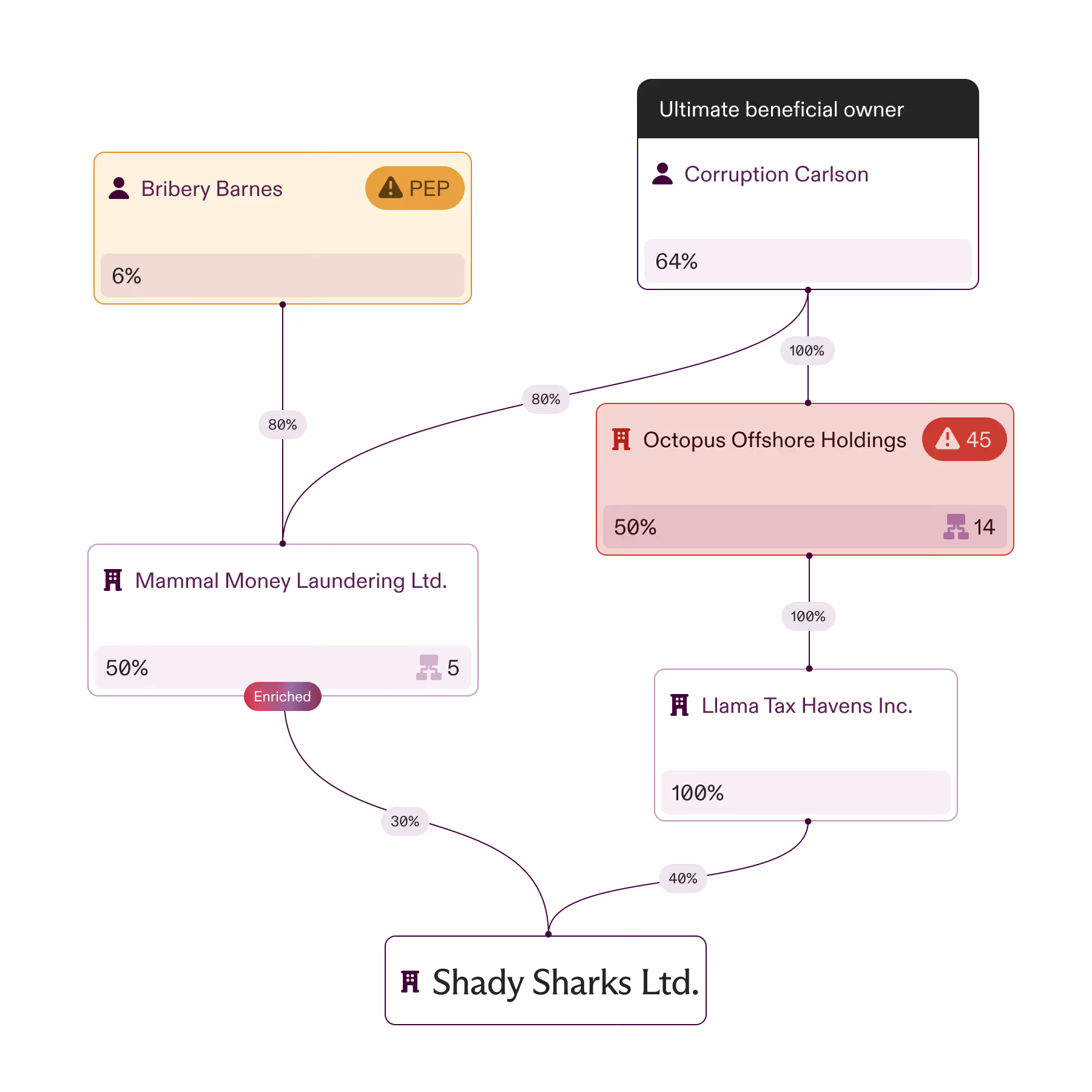
UBO mapping across any structure
Multi-layer structures, holding companies, cross-border chains, Strise maps it all automatically. Beneficial owners surface without manual research, document requests, or registry rabbit holes.
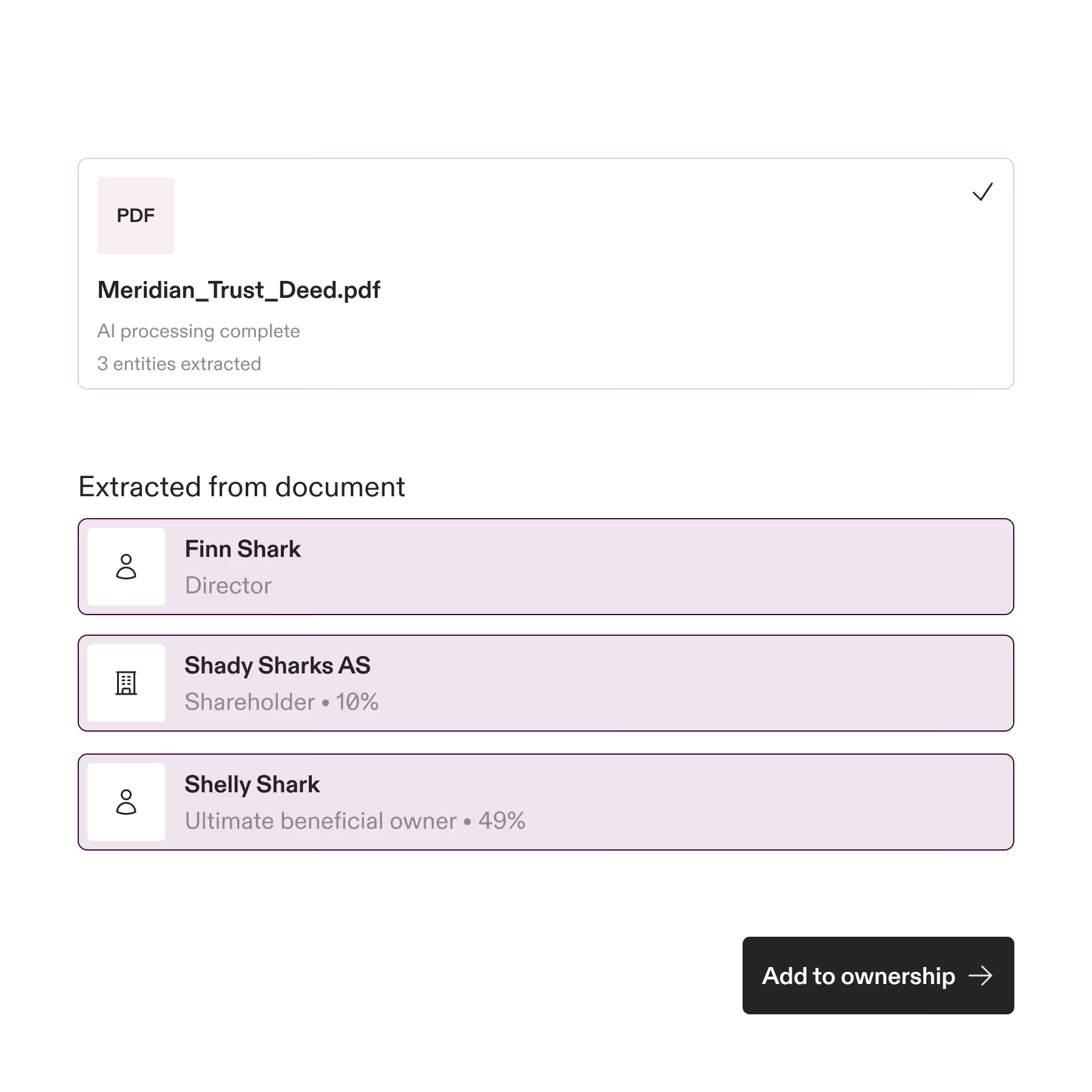
Your documents, read and extracted. No re-keying
Registry filings, trust deeds, articles of association, AI reads them, parses the key data, and adds it straight to the case file. You never manually transcribe a number or copy-paste a name again.
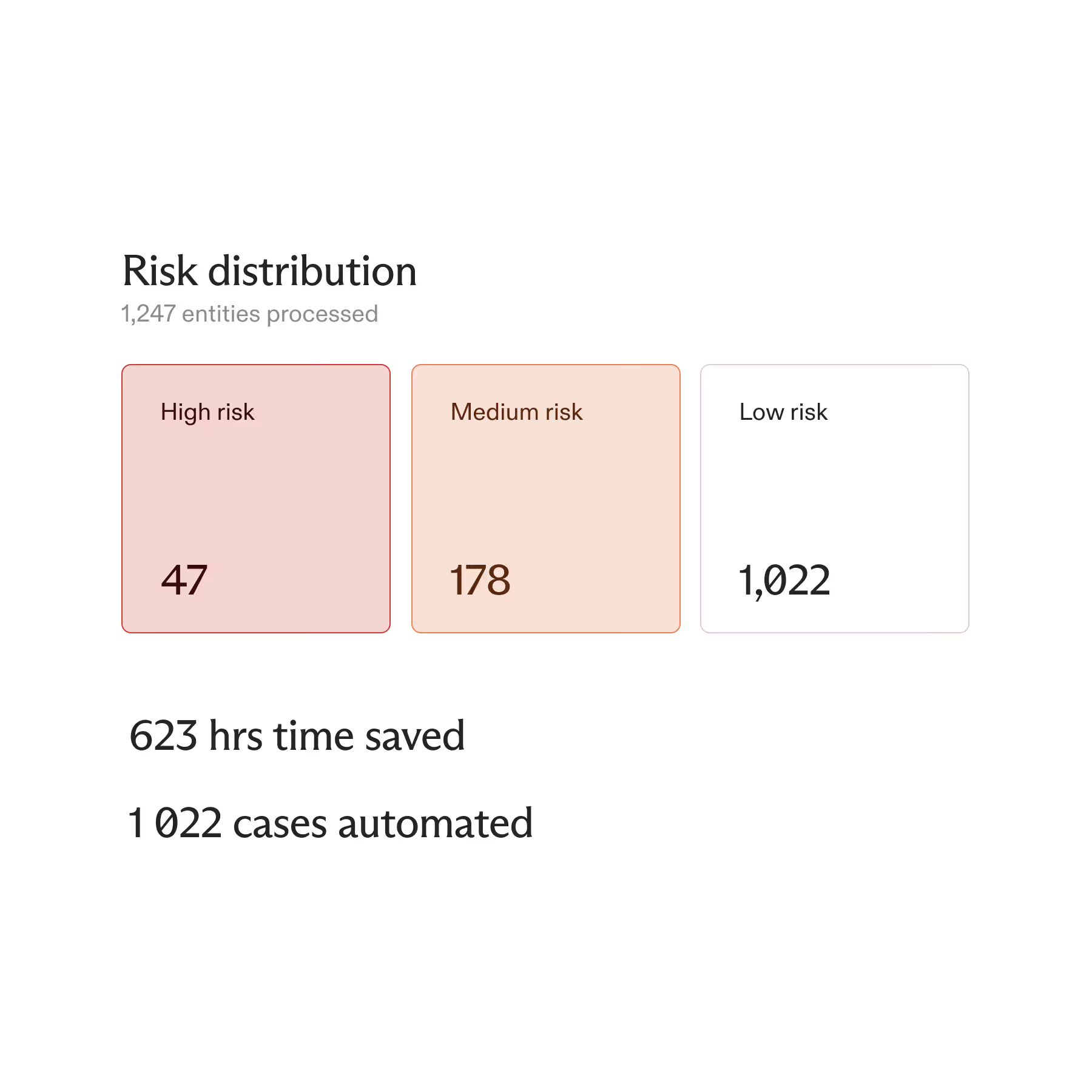
Low-risk cases close without a human
You define what routine looks like. Strise handles everything that fits the threshold, verified, scored, and closed without your team spending a minute on it. Your analysts only see cases that need them.
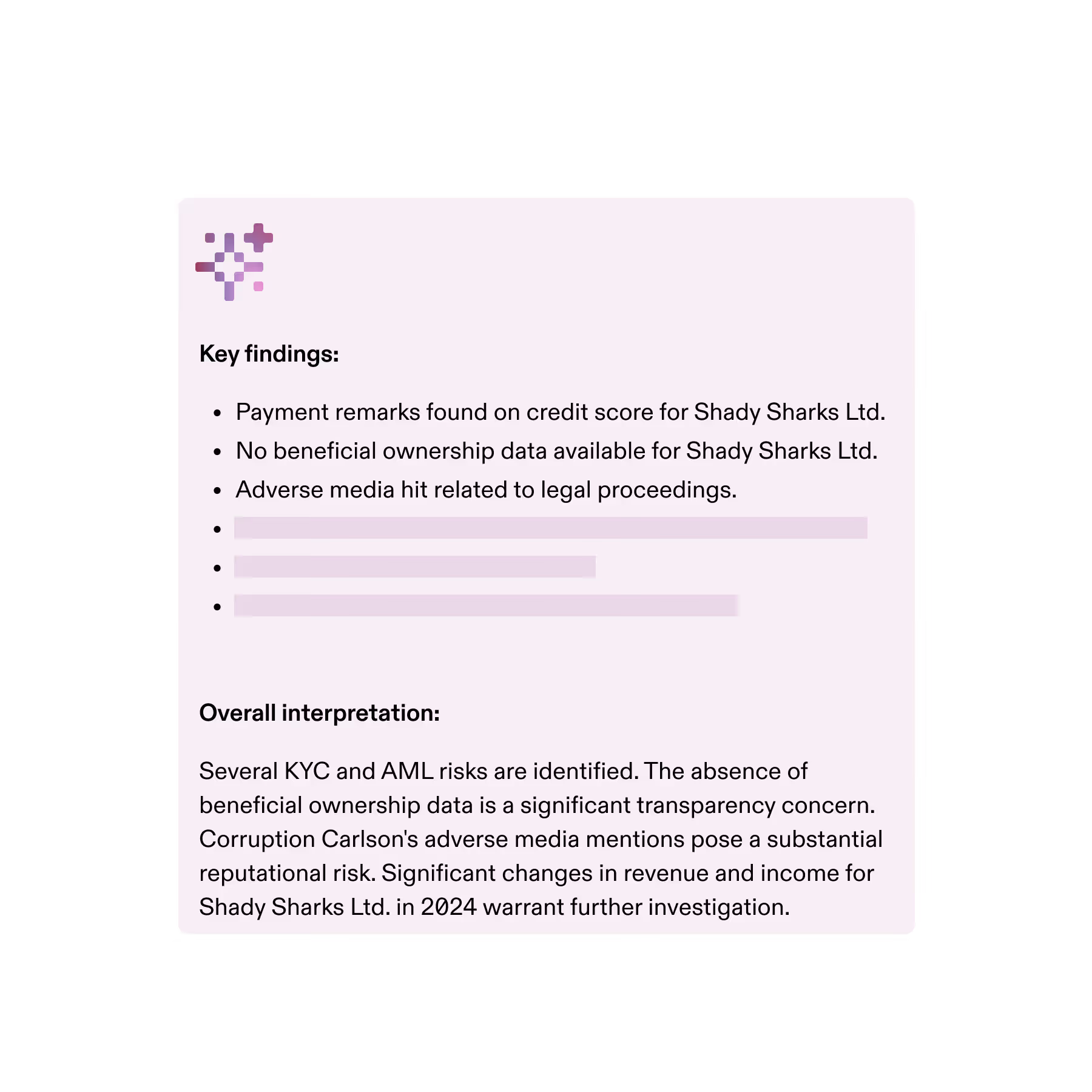
AI prepares the narrative. You make the call
For every case Strise processes, AI generates a plain-language summary, what was found, what risk appeared, and why. Your analysts read context and a recommendation, not a stack of raw data fields to interpret themselves.
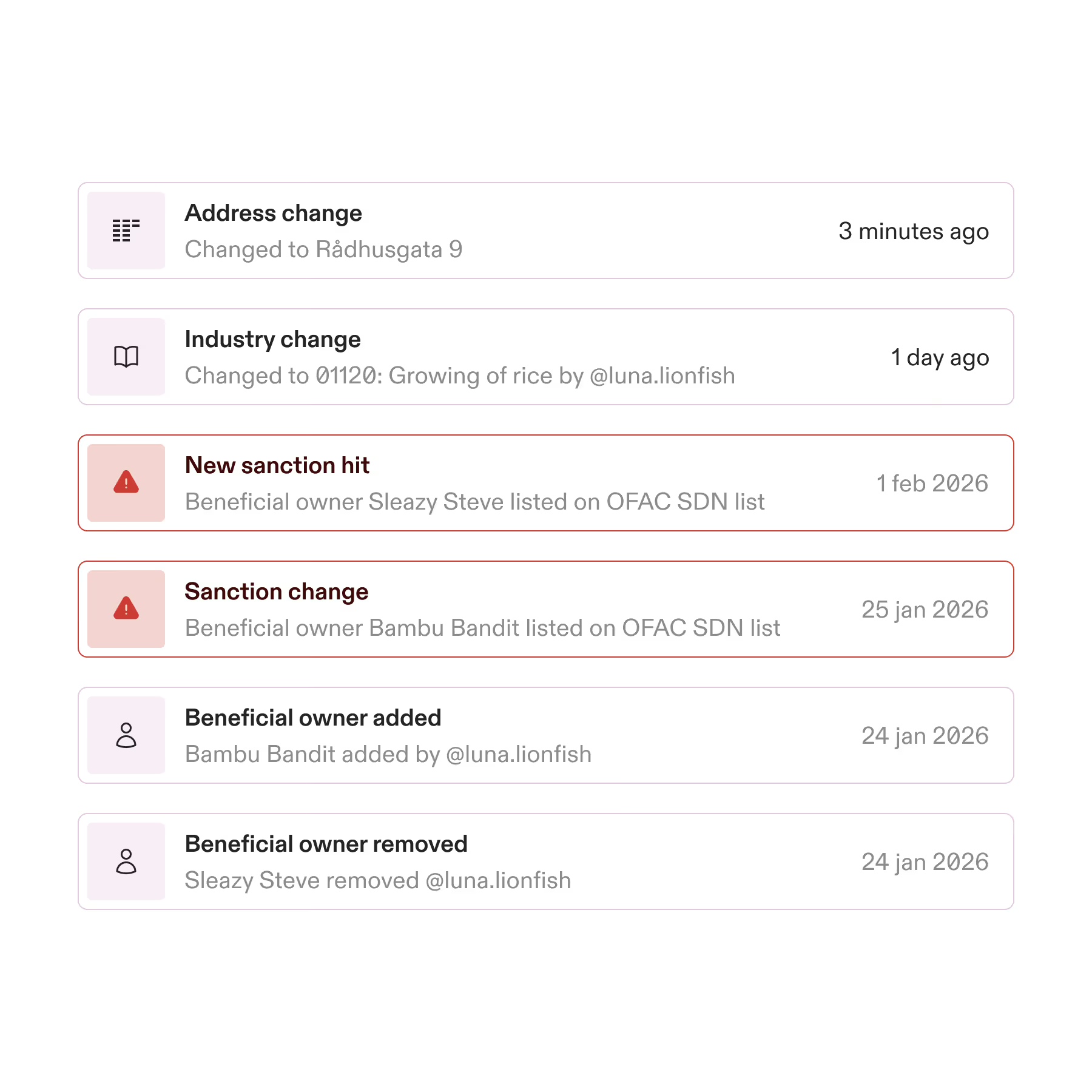
Complete audit trail from day one
Every action logged, every decision documented. When a regulator asks how you reached a decision, you open one file — not five. The case is regulator-ready the moment the review closes.
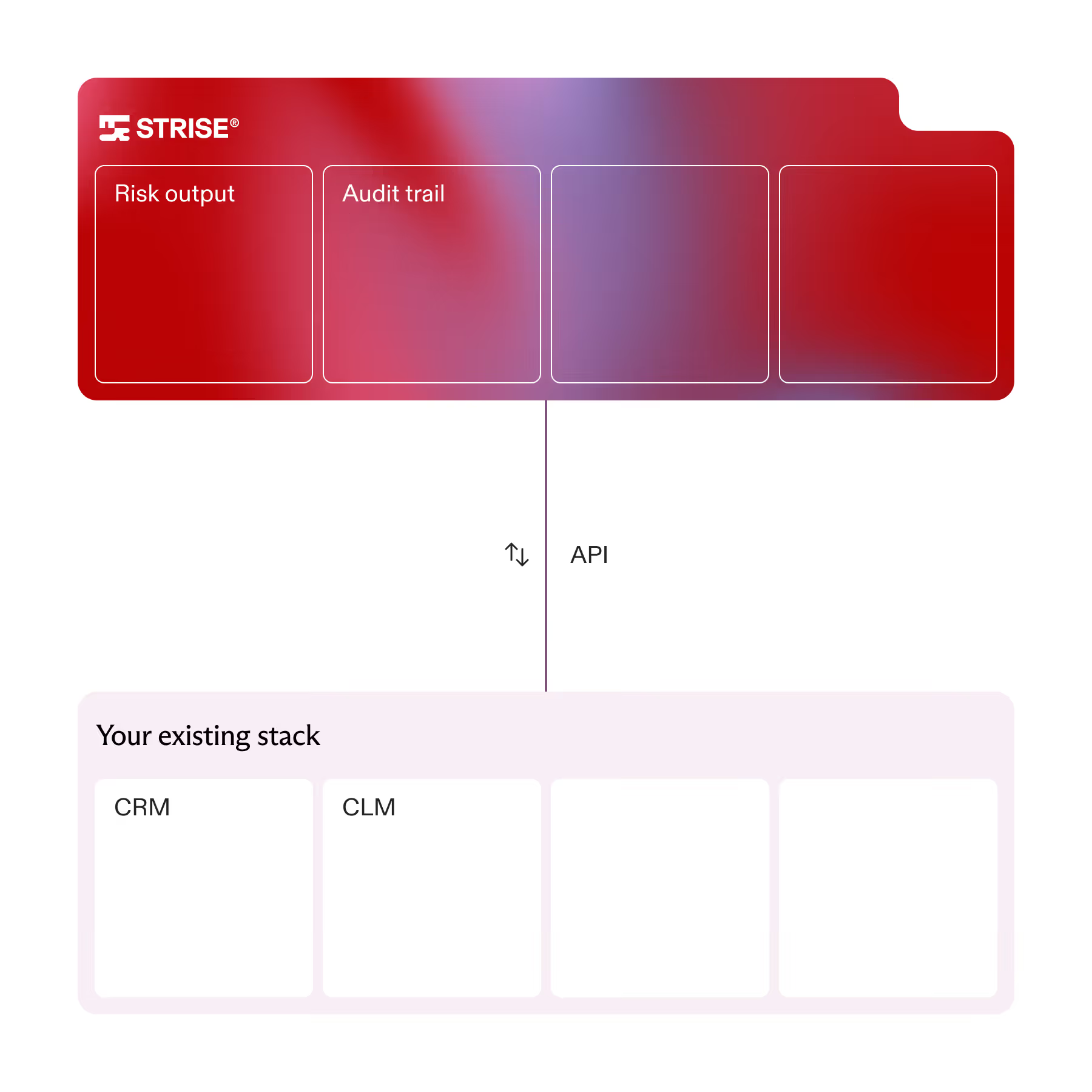
Your CRM and CLM, connected via API
Strise pulls what it needs, works the case, and pushes results back. Your records stay where they are. Your stack doesn't change. Your team doesn't learn a new system.

Things we get asked. Answered
Flexibly. Strise can run as a standalone system, link into yours, or integrate fully via API with your CRM and case management system. You choose the model that fits your stack. Nothing gets replaced.
Strise maps the structure automatically, corporate chains, multiple UBOs, cross-border entities. Where registry data has gaps, it surfaces a form so the analyst can fill in what's missing. The ownership graph gets built either way.
Strise integrates data from over 250 jurisdictions globally. Coverage includes 10B+ corporate records, 500M+ companies, 600M+ unique individuals, and 2B+ entity relationships. Where a registry has no digital portal, Strise flags it and gives the analyst a clear path to handle it manually.
For low-risk cases: hours, not days. Strise runs the checks, scores the risk, and routes straight-through where policy allows. Complex cases still get to the analyst faster because the file arrives complete.
Review, override, approve. The case arrives with everything resolved and scored. The analyst checks it, can override any part of it, and signs off. No data entry. No chasing documents. No building the file from scratch.
When documents are needed, Strise sends a branded client form — specific to what's missing, not a generic checklist. Submissions are tracked in real time. Reminders fire automatically. Documents get read and filed on arrival.