Real risk only. No noise
Real risk reaches your analyst. Everything else is cleared before it arrives.










Sound familiar?
The genuine risk that screening is designed to catch is buried under a flood of irrelevant matches. The ratio gets worse with common names and global client bases.
List updates should trigger automatic re-screening. Instead they trigger a team briefing, a task allocation meeting, and a queue that takes weeks to clear.
Screening without date and relevance filters treats a decade-old minor press mention the same as a recent financial crime conviction. The volume is unmanageable.
No institutional memory. The same name match that was investigated and dismissed last month is investigated and dismissed again — by a different analyst who has no record of it.
Periodic re-screening at scale is only feasible if it is automated. When it is manual, it is always the thing that slips when something more urgent arrives.
Name matching without context is a noise machine. Date of birth, nationality, entity type, none of it checked automatically, so every hit lands on a human to investigate.
The difference Strise makes
What customers say












Separate real risk from noise
Entity in. Screening begins
The screening check begins the moment an entity enters the workflow. Nothing waits.
Context matched. Not noise
Date of birth, nationality, jurisdiction, and entity type used together to reduce false positives.
All signals. At once
Sanctions lists, PEP databases, and adverse media checked and scored at the same time.
Risk confirmed. Alert raised
Confirmed PEP, sanctions, and adverse media hits escalated with full context and recommended action.
How screening runs itself
Alerts triaged. Only real matches reach your analyst
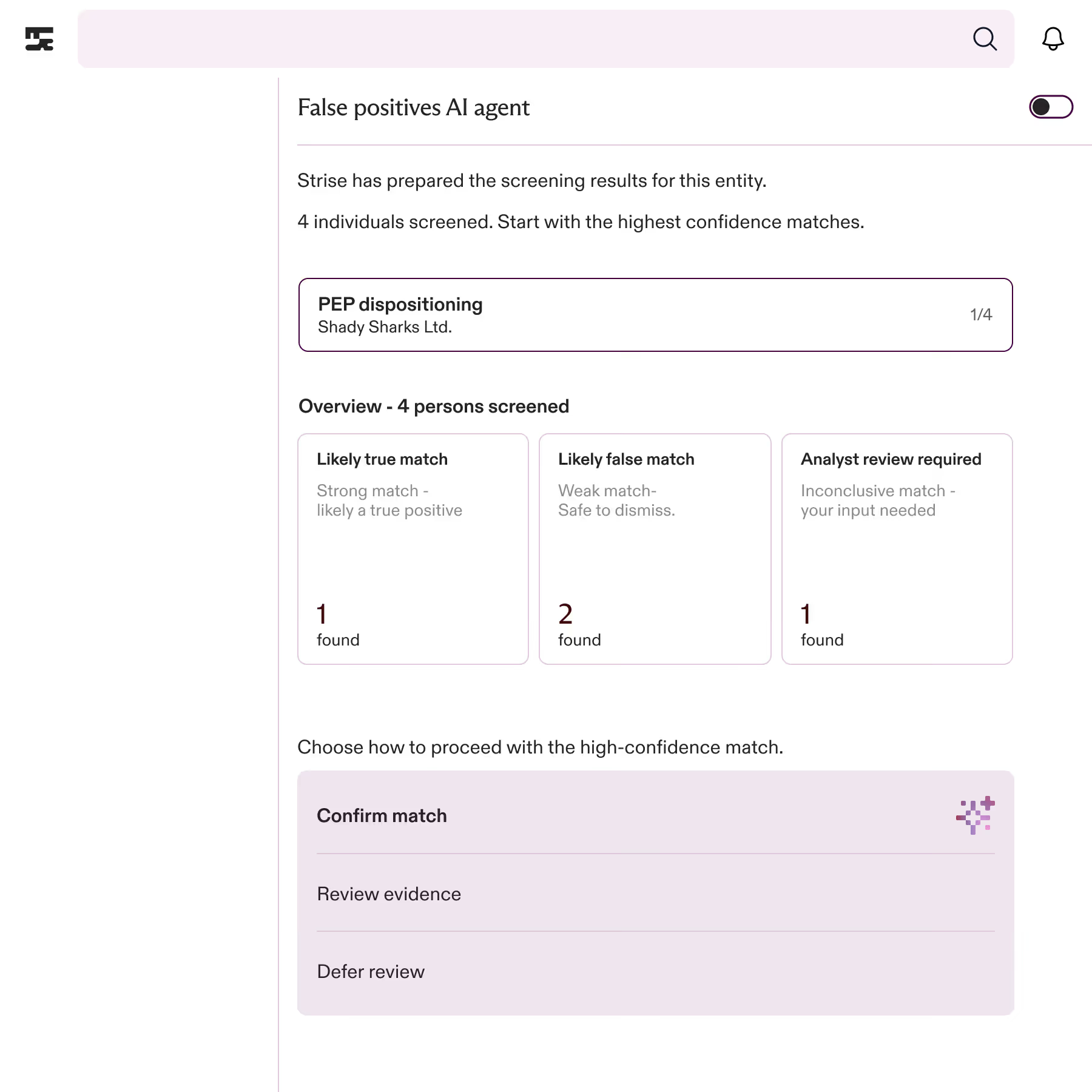
For every PEP, sanctions, and AMS alert, AI assesses match confidence and separates likely hits from false positives, so analysts confirm, dismiss, or escalate instead of investigate from scratch.
Your screening policy applied automatically
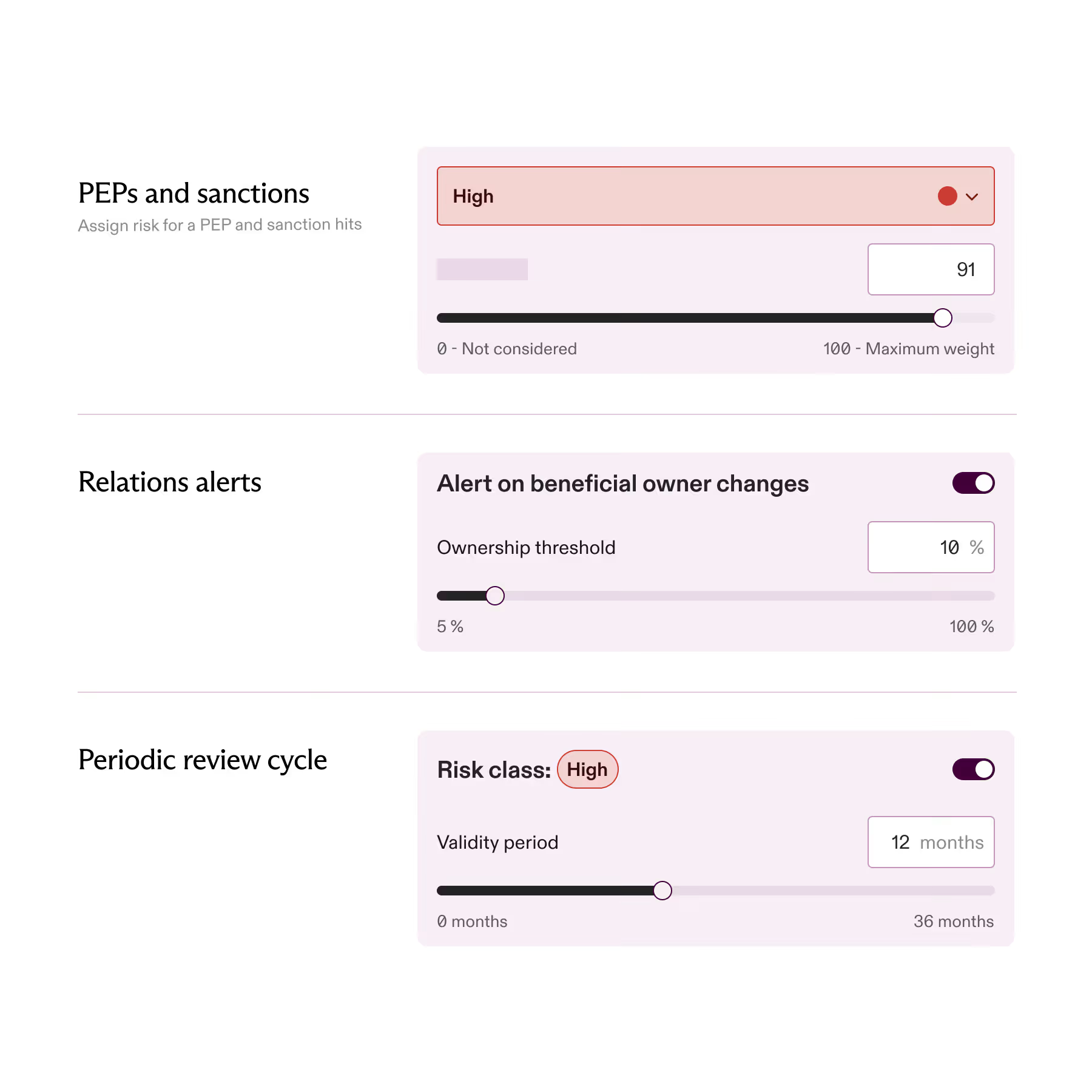
Define how PEP, sanctions, and adverse media matches should be treated. Set risk weights, escalation rules, and review thresholds once. The same policy is applied consistently across every entity and every alert.
Re-screening runs without anyone starting it
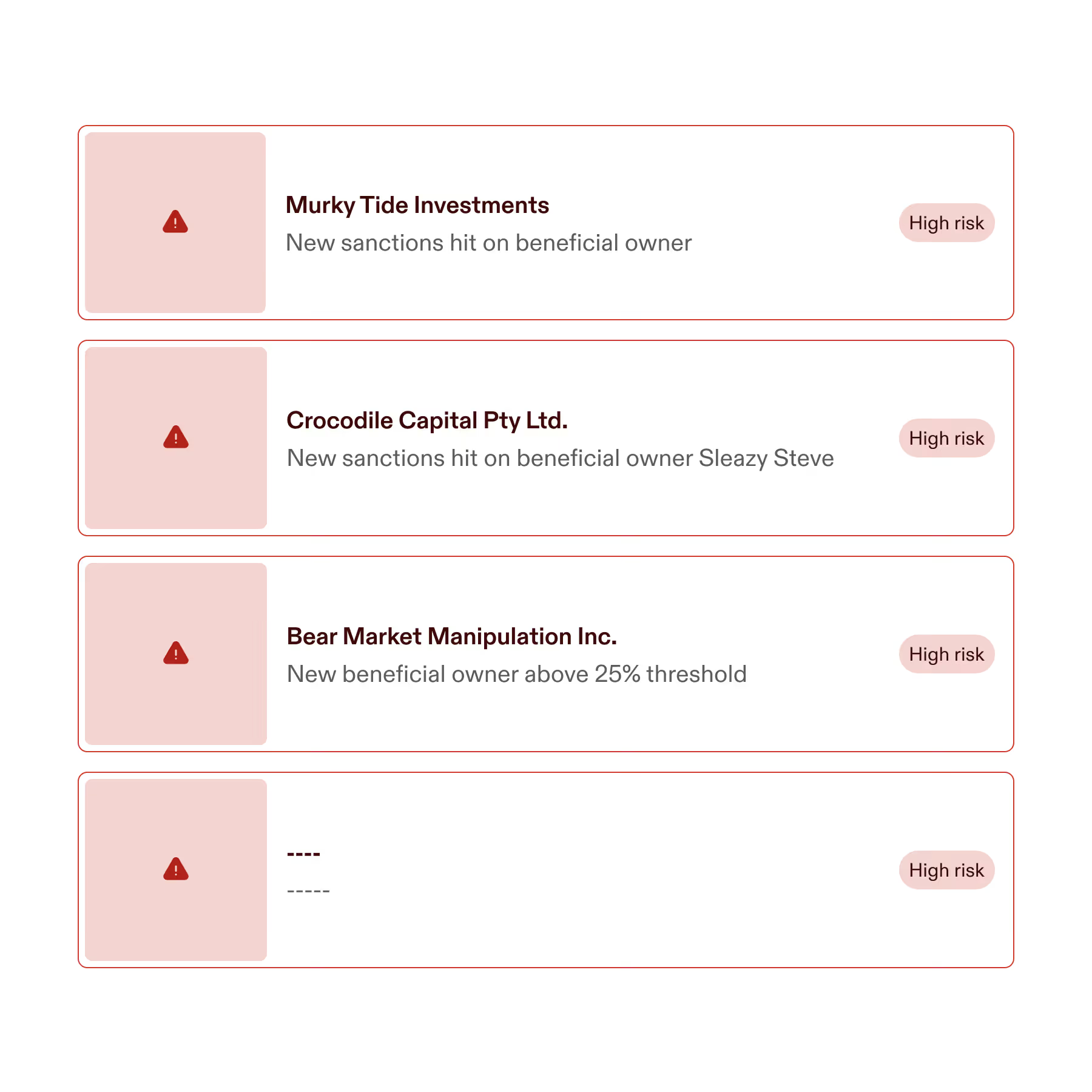
When a sanctions list updates or new adverse media appears, re-screening triggers automatically across your portfolio. No manual trigger. No briefing to get it started.
Alerts arrive with the investigation already prepared
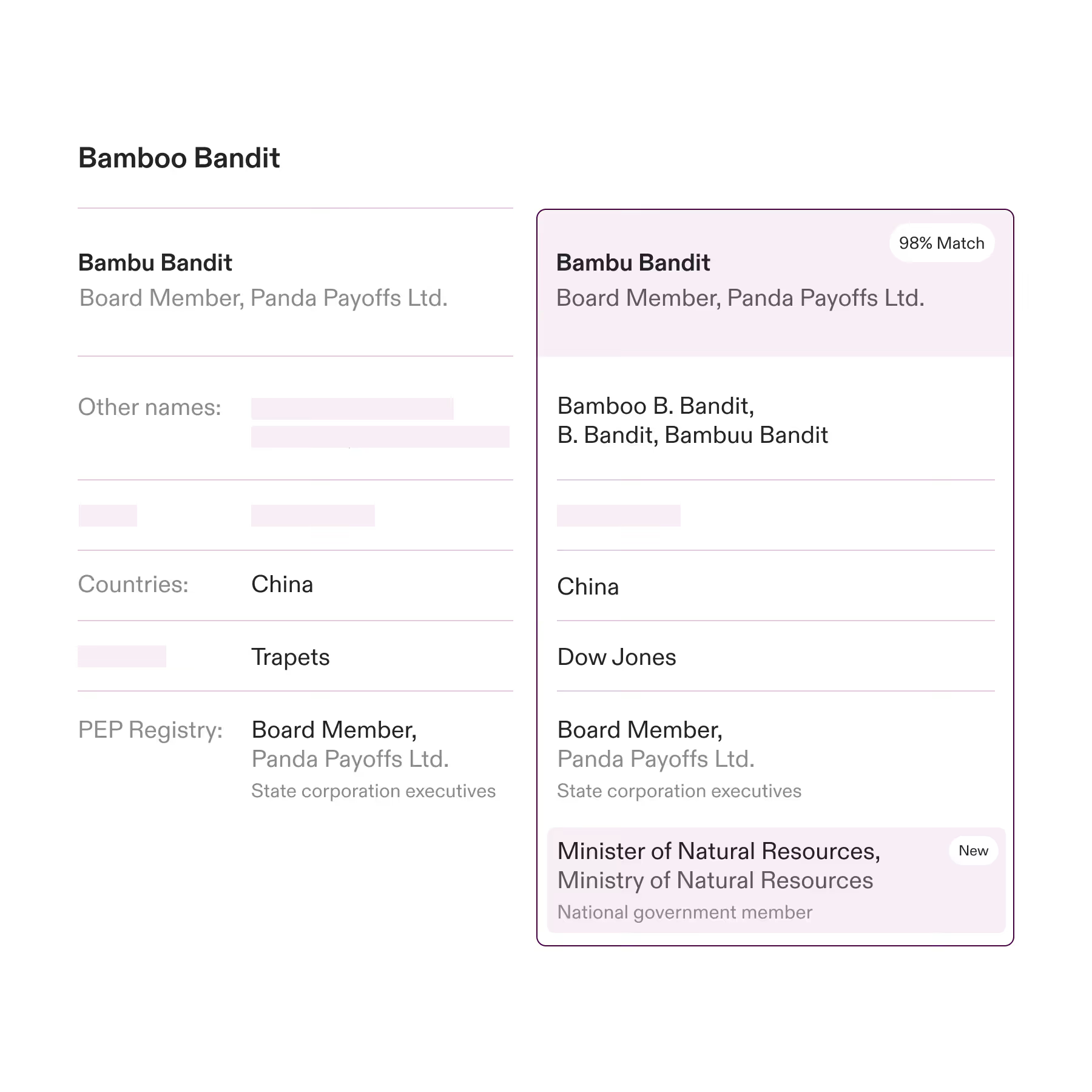
Each alert includes the matched watchlist record, contextual attributes used for verification, the source list, and the reason the match triggered. Your analyst reviews the evidence and makes the decision.
Fits into your existing case workflow
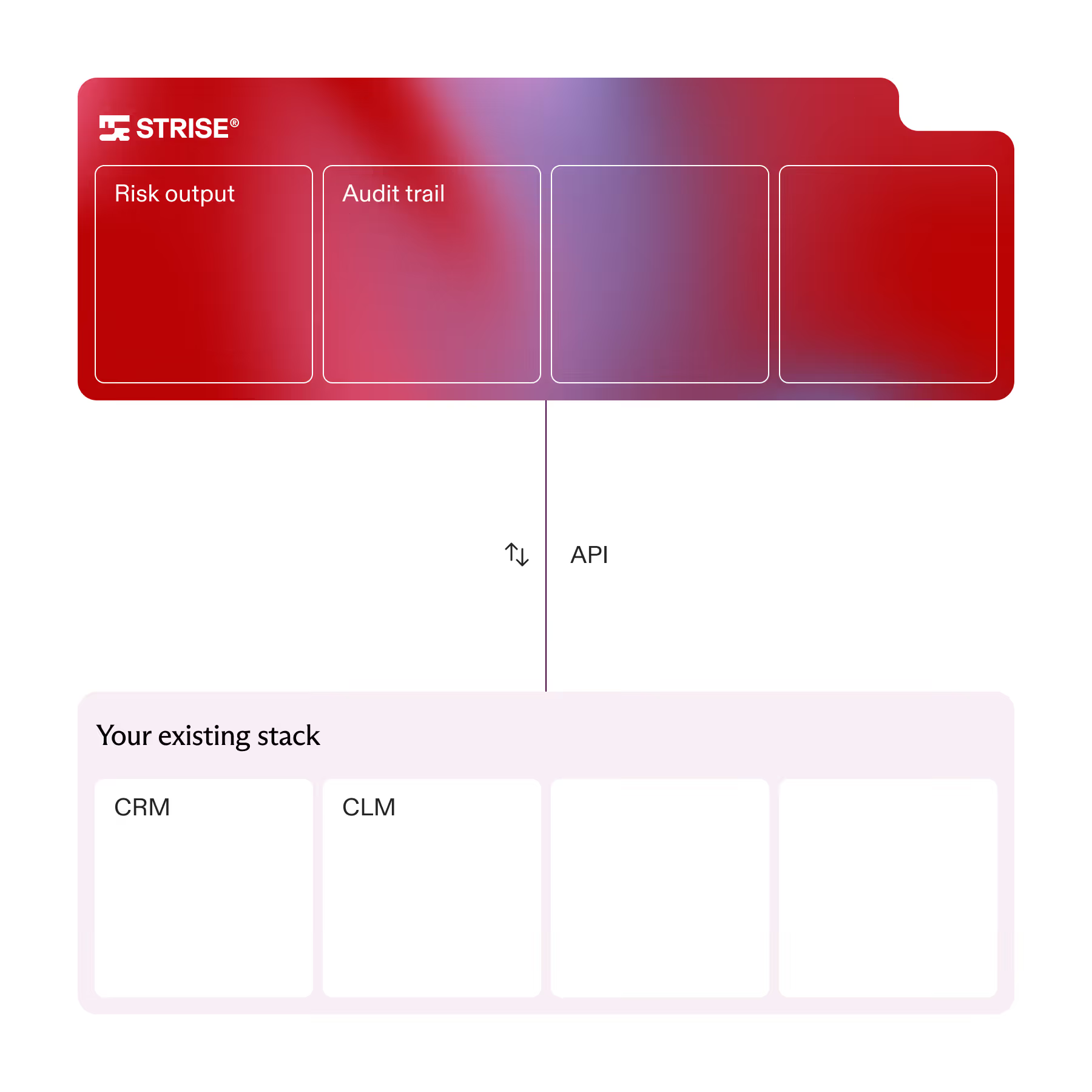
Alerts and review outcomes sync directly with your CRM, TMS, or CLM. Your team reviews screening results without switching systems or duplicating work.
Every decision recorded. Regulator-ready from day one
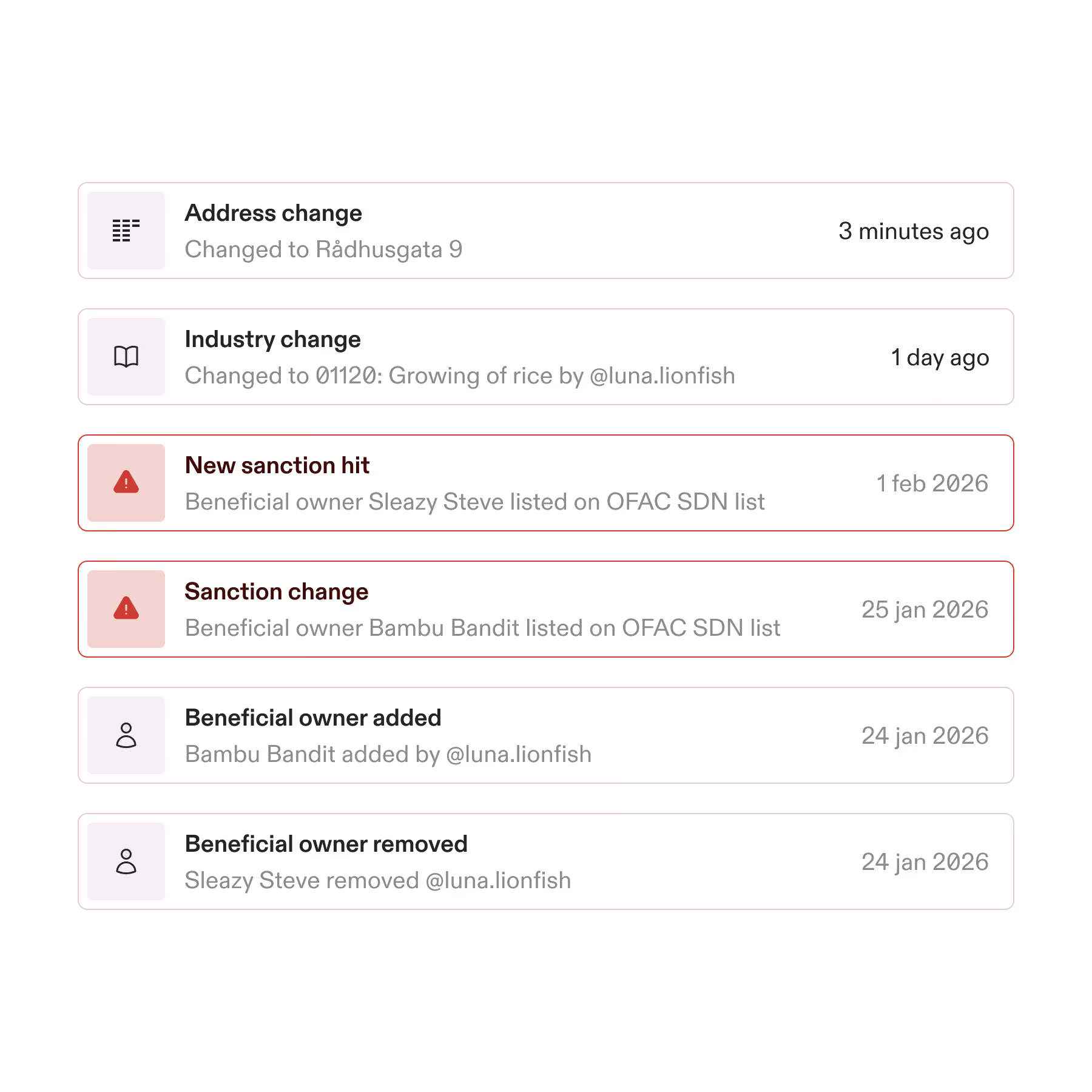
Every check, every closure, every analyst decision, logged with source, timestamp, and rationale. Your audit trail is complete before anyone asks for it.

Things we get asked. Answered
Strise screens against major global PEP datasets. Coverage includes family members and close associates according to your policy. What qualifies as a PEP is configurable. Your policy defines the scope. Strise applies it consistently across every entity.
Dow Jones is the primary data source — covering OFAC, EU, UN, HMT, and dozens of other sanctions and watchlists. Lists are updated in real time, so your team never screens against yesterday's data. When a list updates, re-screening triggers automatically across your portfolio.
It does not guess. Each match is verified against additional attributes such as date of birth, nationality, jurisdiction, and entity type. When those attributes do not align with the watchlist record, the match is cleared automatically and the rationale is recorded in the audit trail. Only matches where the attributes remain consistent are escalated to your team for review.
Sanctions and PEP lists are monitored continuously. When a list updates or a new designation is added, re-screening triggers automatically — no manual trigger, no team briefing required. Your portfolio is always screened against current data, not a snapshot from last quarter.
Yes. Global news sources are scanned and scored for date, severity, and topic relevance. A recent financial crime conviction surfaces. An unrelated article from seven years ago doesn't. The result is a curated set of genuinely material hits — not a flood of noise to sift through.
Every match — cleared or escalated — is logged automatically with its rationale, data source, and outcome. When your regulator asks how screening decisions were made, you show them the trail. You don't reconstruct it from emails or case notes.